
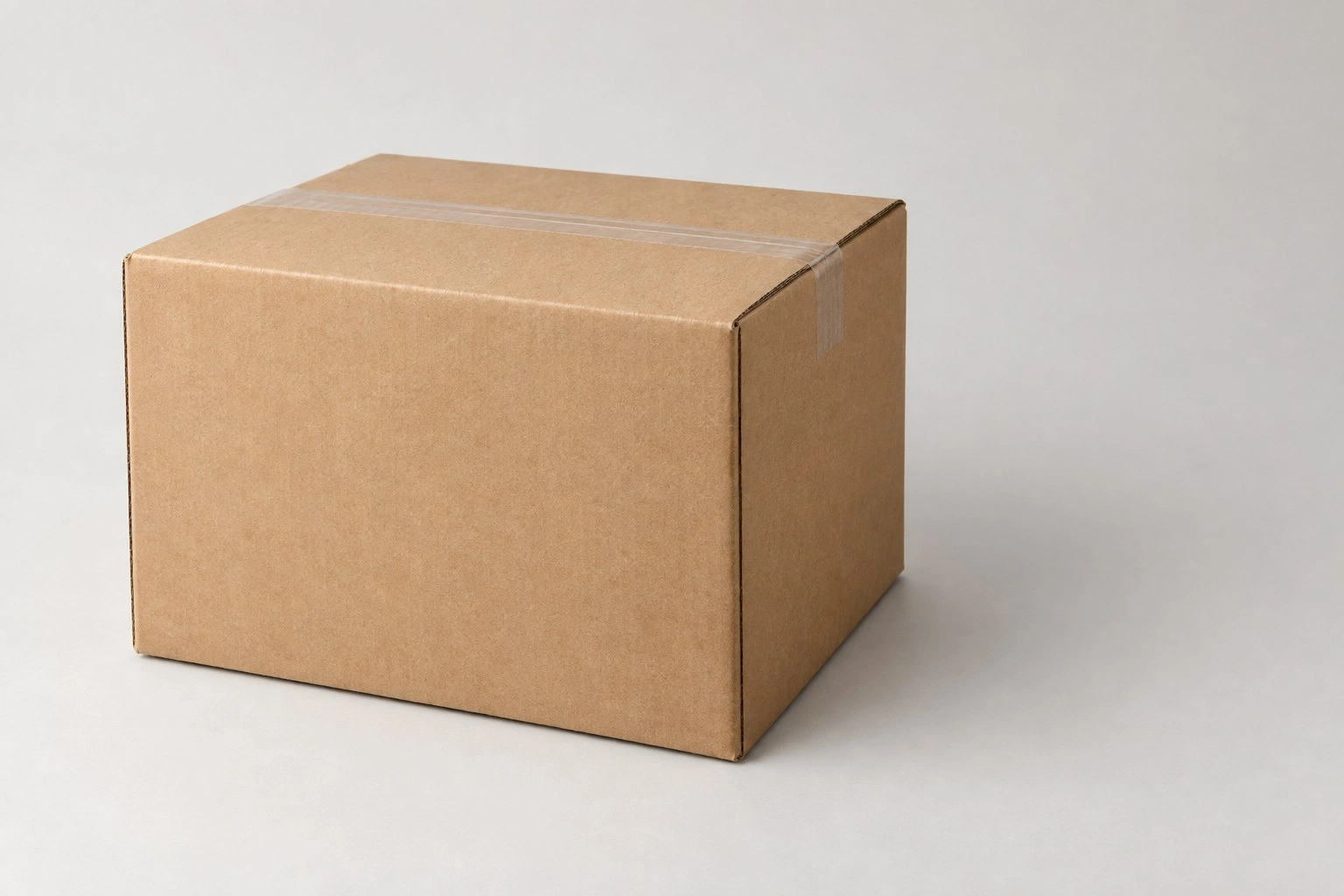
Box dimensions
L: 50 cm · W: 40 cm · H: 35 cm · G.W.: 12 kg · N.W.: 10.5 kg
1 × Box dimensionsSize Labels
Show carton length, width, height, weight and board construction in one image. Customize the example with your actual packaging data.
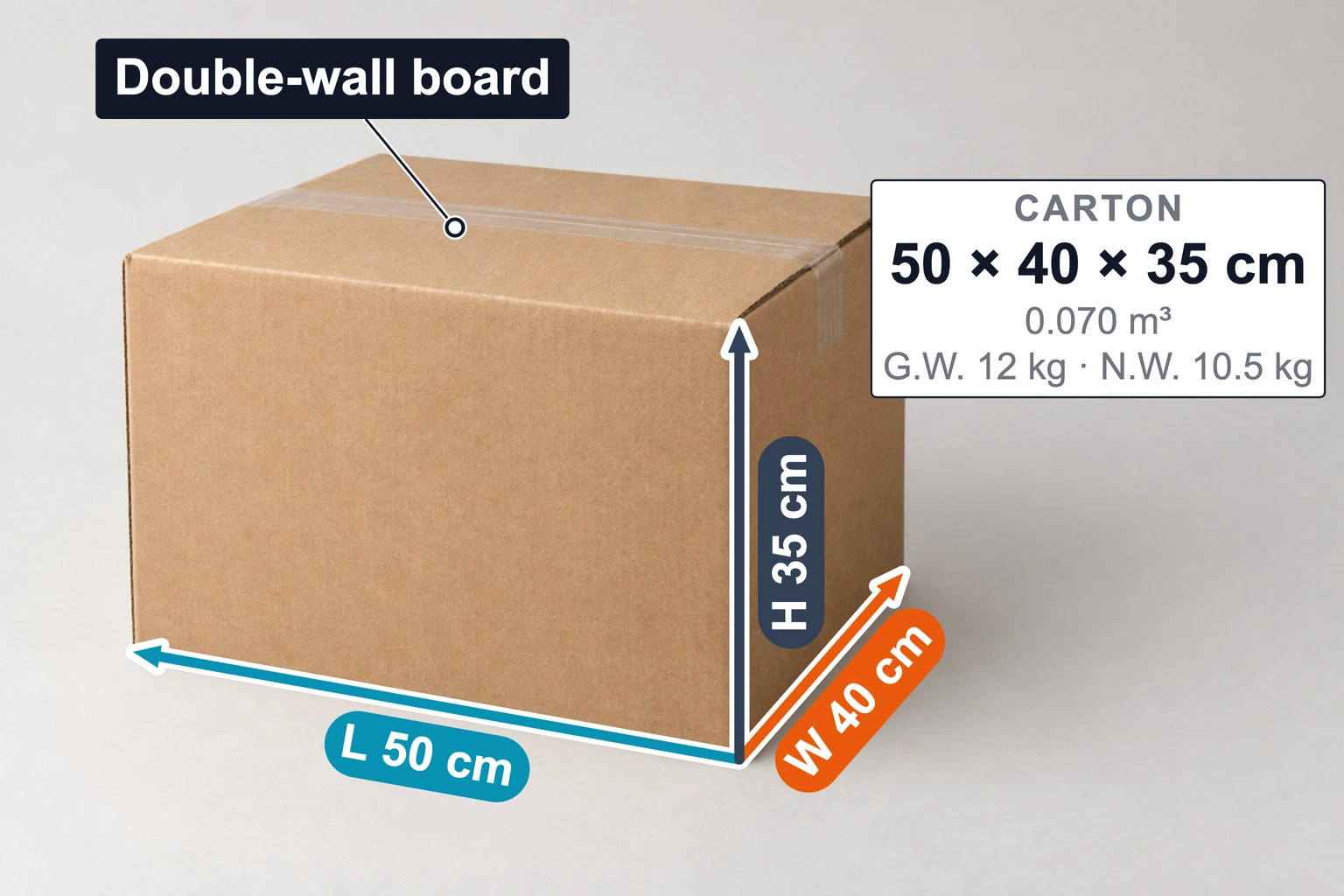
Keep the layout. Add your photo and specifications.
Template overview
This example includes 2 annotations: Box dimensions, Feature label. The values are illustrative, not measurements of your product.
L: 50 cm · W: 40 cm · H: 35 cm · G.W.: 12 kg · N.W.: 10.5 kg
1 × Box dimensionsFeature label: Double-wall board
1 × Feature labelSpecifications
These are example values. Replace them with your product’s verified measurements and specifications.
| Annotation | Value |
|---|---|
| L | 50 cm |
| W | 40 cm |
| H | 35 cm |
| G.W. | 12 kg |
| N.W. | 10.5 kg |
| Annotation | Value |
|---|---|
| Feature label | Double-wall board |
Getting started
Start with this editable example in the SizeMarker editor.
Replace the image and adjust the markers to fit your product.
Enter your actual measurements and specifications, check every label, then export.
FAQ
This example includes 2 annotations: Box dimensions, Feature label. The values are illustrative, not measurements of your product.
Yes. Open the template, replace the photo and adjust the annotation positions, styles and values before exporting.
No. Enter measurements and specifications you have verified for your product.
Make it yours
Keep the layout. Add your photo and specifications.