
Dimension Drawing for a Product Catalog: What Buyers Scan
A dimension drawing for a product catalog answers the buyer's first question — how big is this and will it fit — before they ever email. Here's what goes on it, field by field.

تصفّح مقالات B2B & Suppliers في مدونة SizeMarker

A dimension drawing for a product catalog answers the buyer's first question — how big is this and will it fit — before they ever email. Here's what goes on it, field by field.


LED lighting specifications for export buyers: why IP67 is not an upgrade on IP65, what a 3000 K label really allows, and which test report proves what.

Sanitaryware specifications for export fail on four dimensions: rough-in, trap type, tap hole centres and clearances. Five myths that cost orders.

AWG vs mm² cable specifications are not a unit conversion but two systems. Why 14 AWG and 2.5 mm² differ by 20%, and what belongs on the spec sheet.

Upholstery fabric specifications go wrong on four numbers — weight, width, abrasion and repeat. What each actually means, and what must sit next to it.

Metric vs imperial fastener threads look alike but never interchange. How to read M8x1.25 vs 1/4-20 UNC and send overseas buyers the exact thread spec — scenario by scenario.

Export carton shipping marks aren't one ISO standard — the contract and L/C set them, plus ISO 780 handling symbols and customs origin law. What goes on a master carton, field by field.

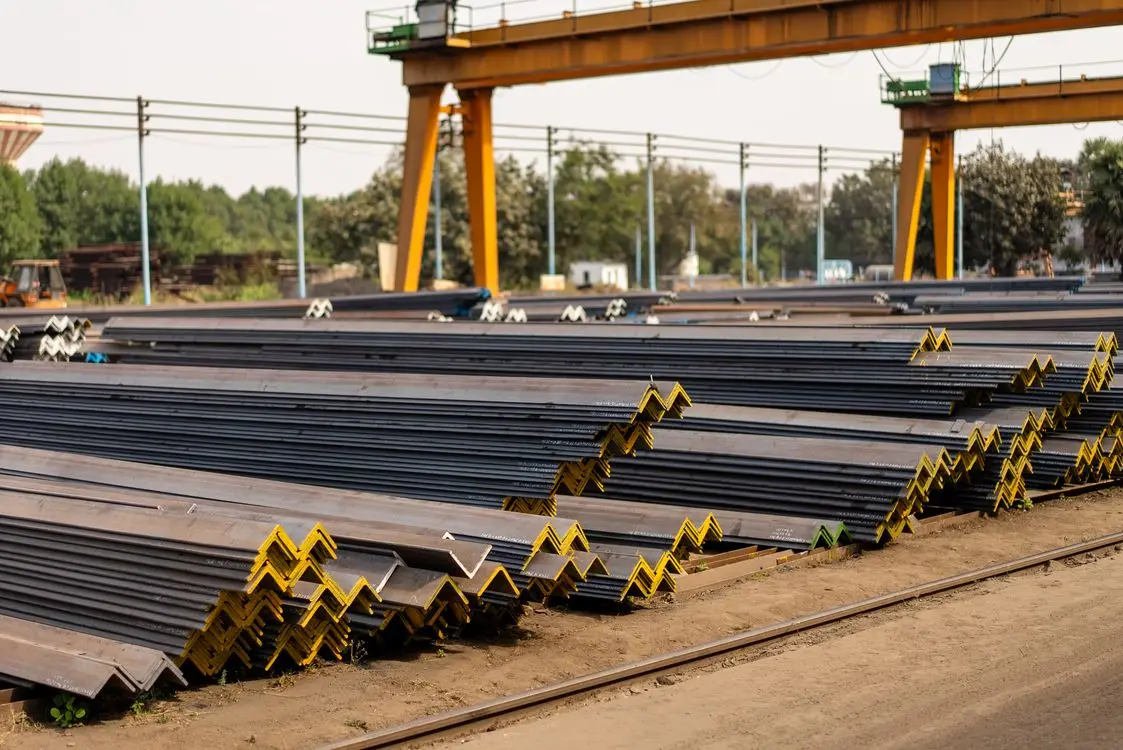
Steel profile dimensions buyers ask for: angle, channel, SHS/RHS and round tube sizes, wall thickness and weight per metre, and their naming traps.

Tile PEI rating vs water absorption vs slip (DCOF/R-rating): three specs export tile buyers confuse, plus exactly what to put on your tile spec card.

How to label glass and mirror dimensions for export: real thickness ranges, tolerances, and spec fields buyers check — with ASTM C1036 and EN 572 numbers.

Pipe and fitting dimensions confuse buyers when NPS, DN, schedule and OD get mixed up. What each one means and what to put on your spec diagram.

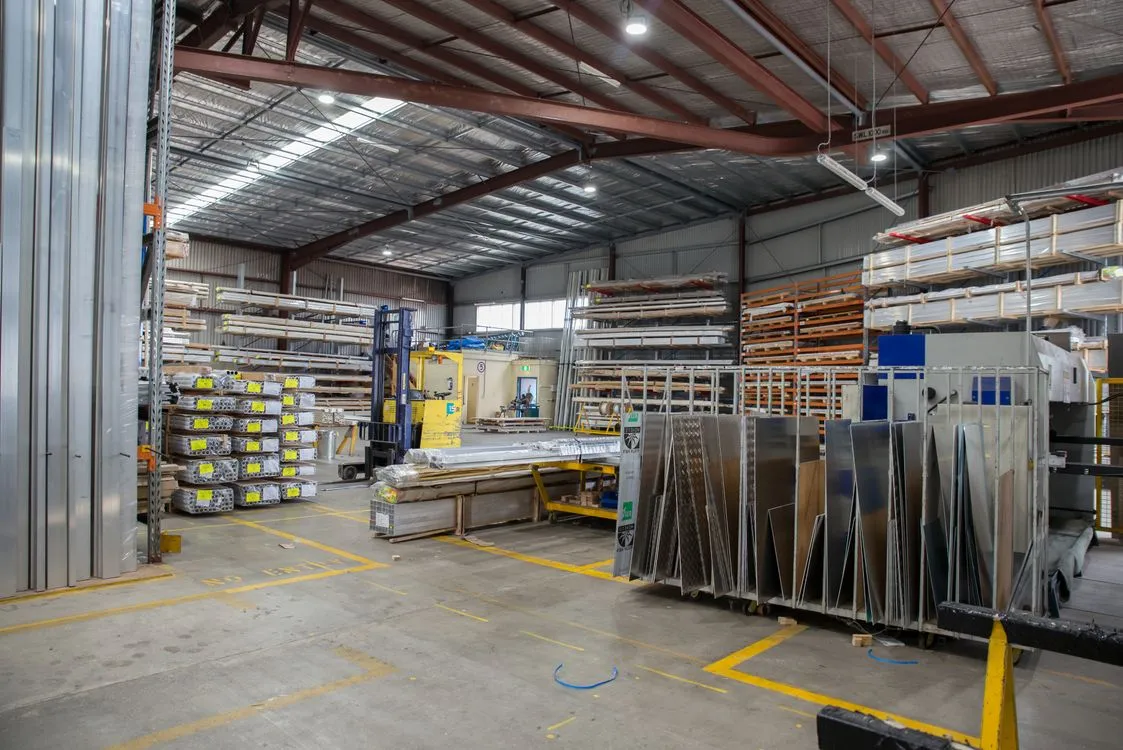
How to label metal product specifications so buyers do not reject good steel: the 5 myths on gauge, grade, finish, and tolerance that lose export orders.