
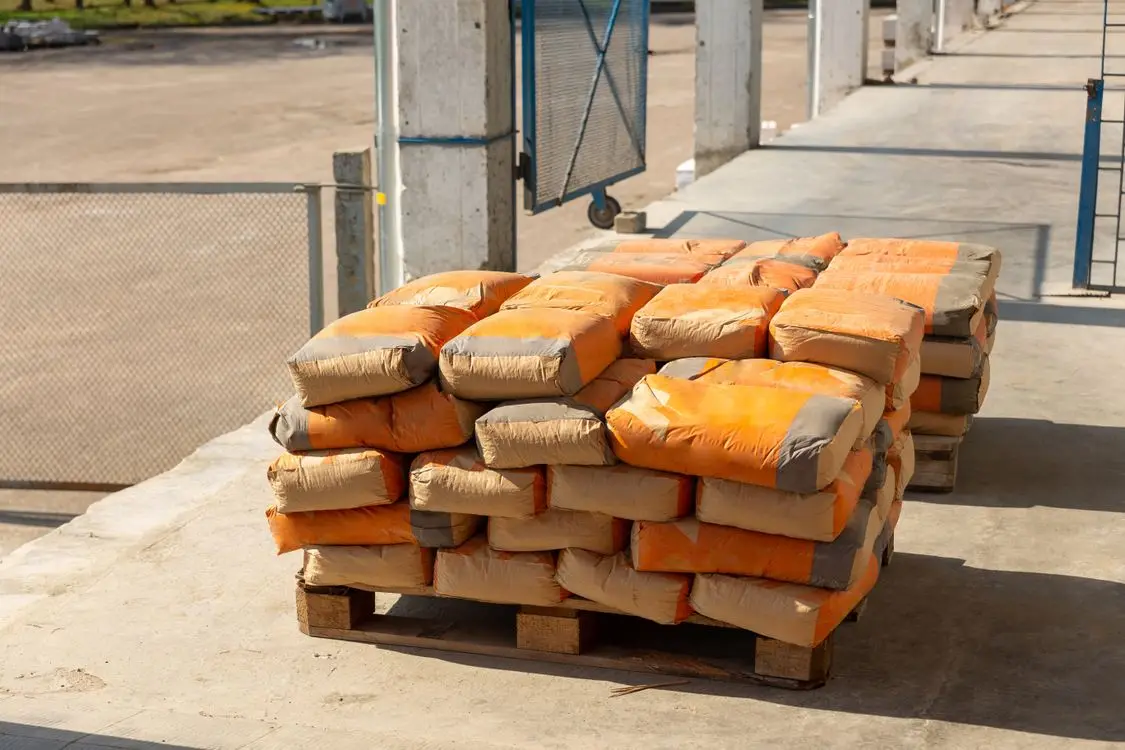
B2B & Suppliers
Bulk Bag Dimensions: The Sizes Exporters Must Label
Bulk bag dimensions come down to three numbers: base, height, and safe working load. Here are the standard FIBC sizes, capacity charts, and the specs to label.
Browse b2b & suppliers articles on SizeMarker Blog
Bulk bag dimensions come down to three numbers: base, height, and safe working load. Here are the standard FIBC sizes, capacity charts, and the specs to label.
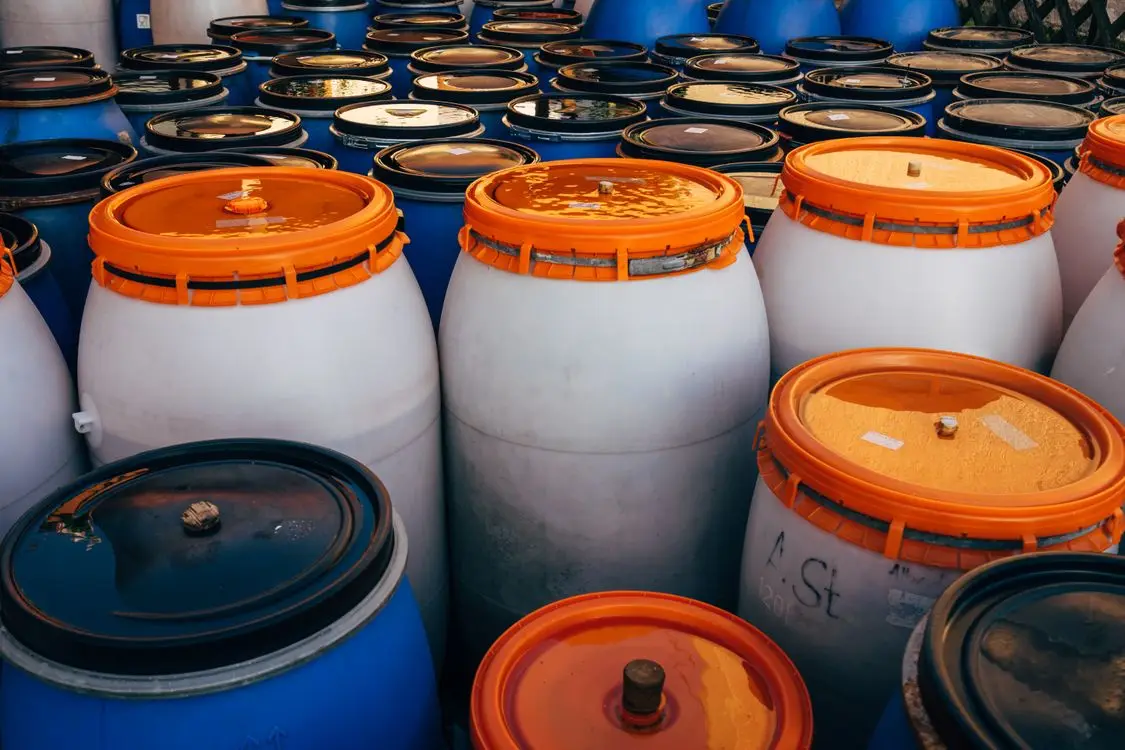
5 gallon bucket dimensions aren't one number: a standard pail is 11.9 in top, 10.3 in bottom and 14.5 in tall — and '5 gallons' means 18.9 L, not 22.7.
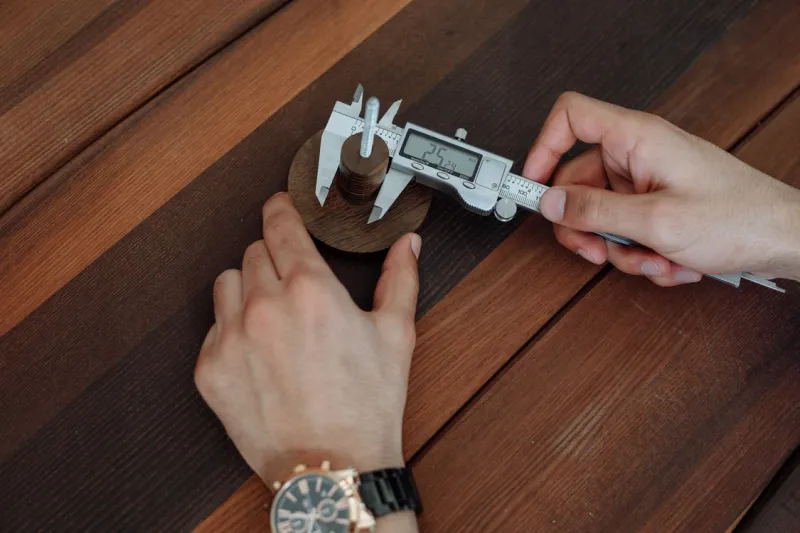
How to measure screw length depends on the head: flat heads measure from the top, pan and hex heads from under the head. Get the rule for every type.
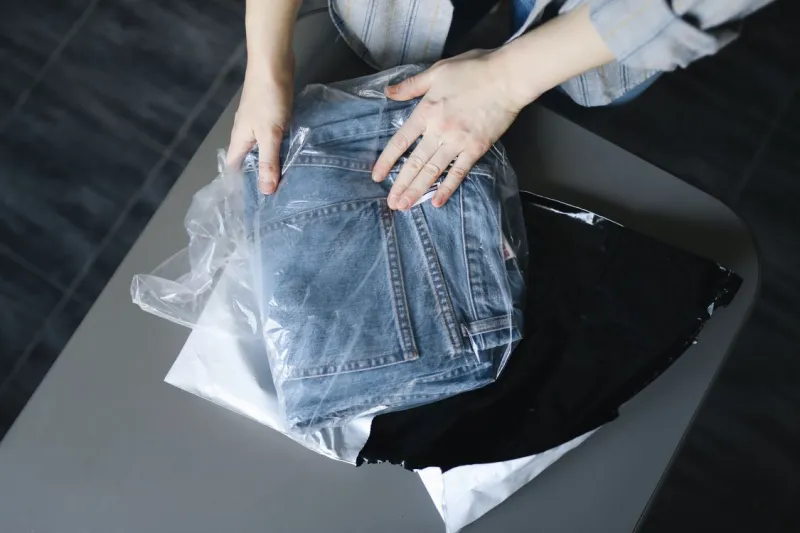
How to measure a poly mailer so the bag fits what you ship: usable length vs the printed number, the 3-step formula, and the 2026 USPS rules that price it.
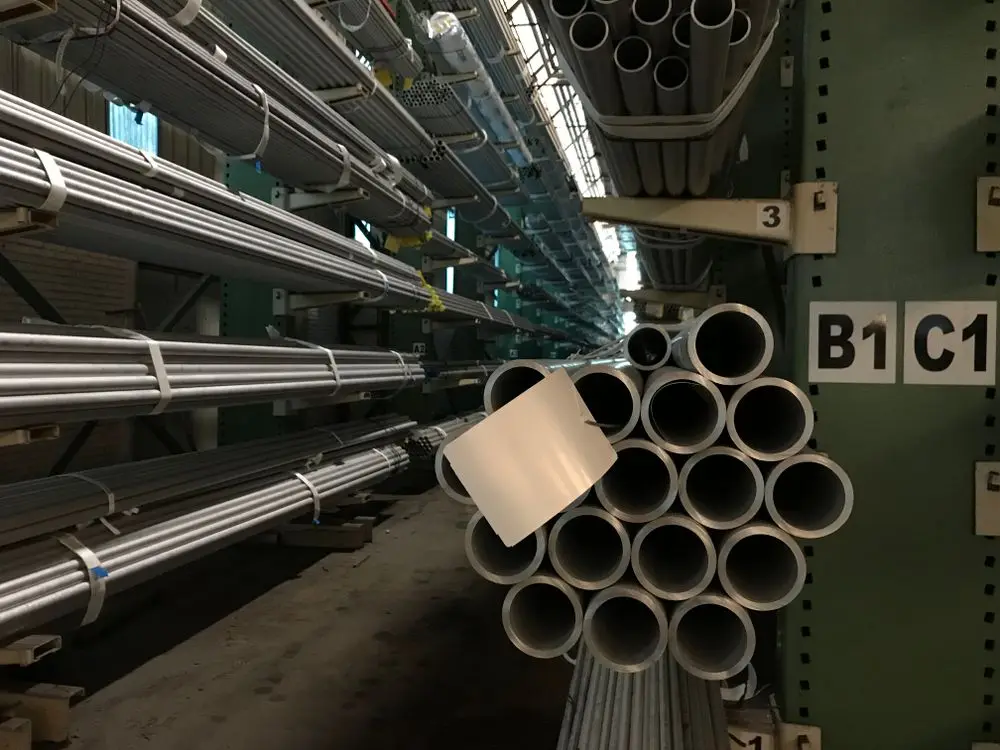
Schedule 40 vs schedule 80 pipe share the same outside diameter but not the same bore — here is the wall, weight and flow math buyers get wrong.
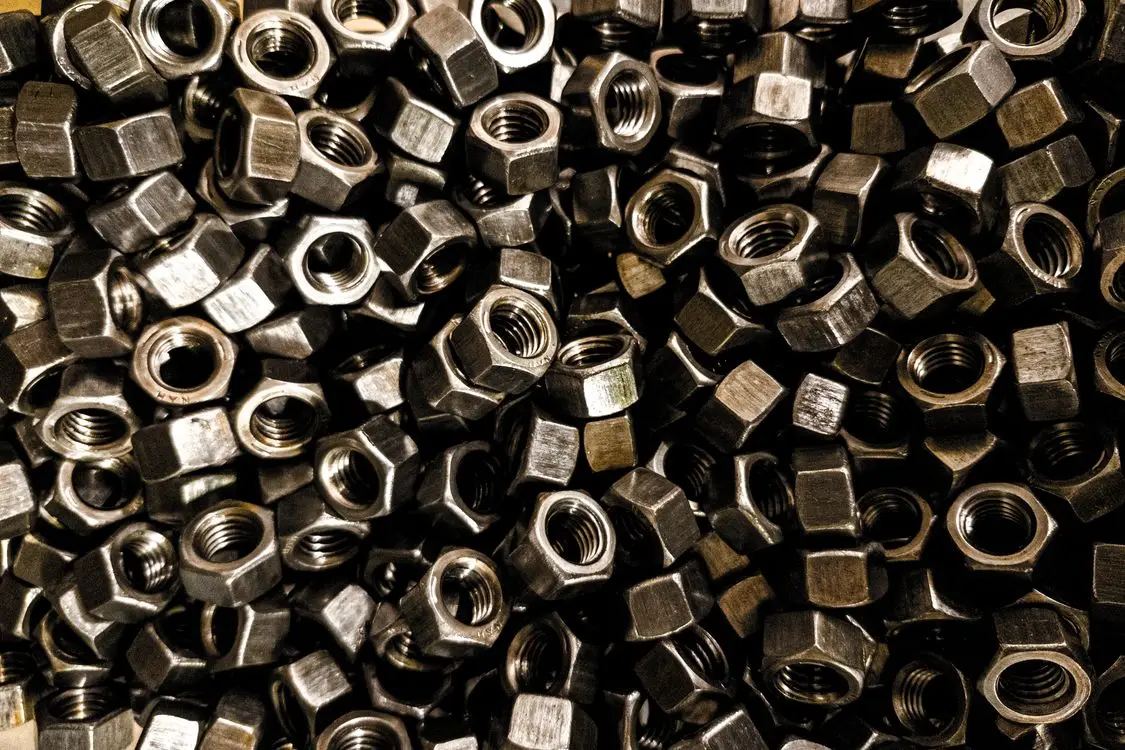
Clearance hole size chart per ISO 273: an M8 bolt needs 9.0 mm, not the 8 mm on the drawing — plus which fit to pick and the tolerance to print.
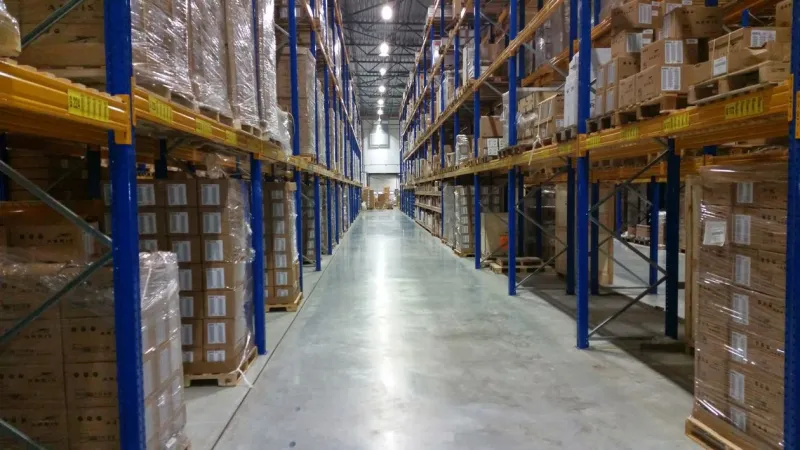
Gaylord box sizes are a container decision: how box sizes are quoted, what each wall count carries, and why 48x40x48 will not double-stack.

Work size vs coordinating size decides whether a brick quote matches the architect's drawing. The eight fields to publish, with UK, US and German examples.
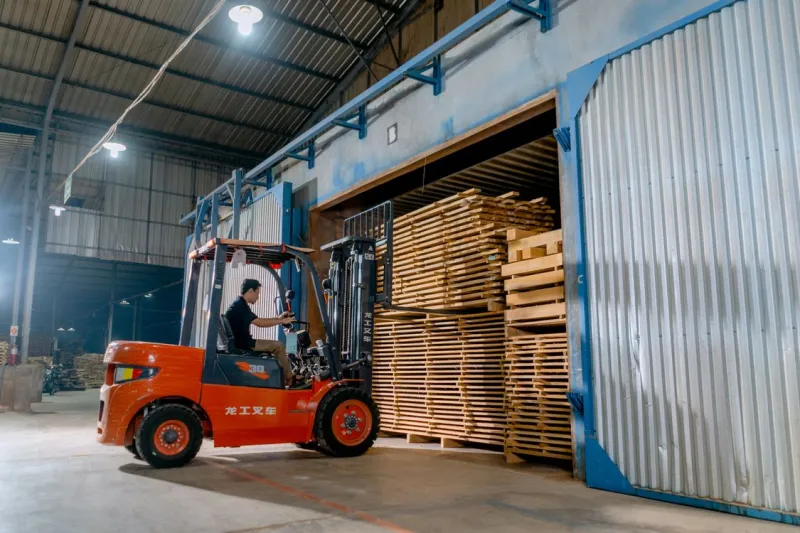
How much weight can a pallet hold? EPAL says 1,500 kg, CHEP says 1,000 kg for the same 1200x800 pallet. Why both are right, and which number to quote.

Air freight maximum dimensions are set by the ULD, not the aircraft: 163 cm in the belly, 244 cm on a freighter. The real ULD numbers, and what they cost you.
A2-70 vs A4-80 packs two facts into one code: the steel grade and the property class. What ISO 3506-1:2020 requires, and what the head must show.

Foam density vs ILD are two different specs: density is kg/m3 durability, ILD is pounds of firmness. The four-line foam spec that stops cushion disputes.