
Photography
How to Change a Product Photo Background Without Altering It
Change a product photo background without altering the product: cutout vs generative AI, the Amazon white-background rule, and a 6-point fidelity check.
Browse photography articles on SizeMarker Blog
Change a product photo background without altering the product: cutout vs generative AI, the Amazon white-background rule, and a 6-point fidelity check.

360 product photography requirements decoded: Amazon’s real frame counts, who is allowed to upload a spin, and the one buyer question a spin cannot answer.

Product images blurry after upload? The softness is added in eight stages between your export and the buyer's screen. Here is each stage, and the fix.
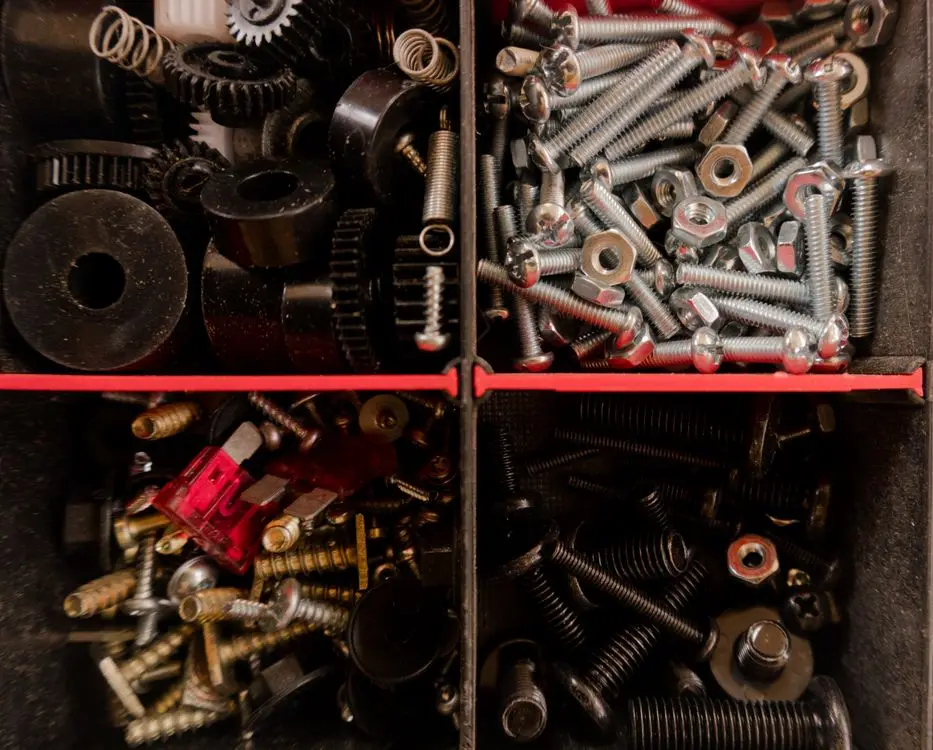
How to photograph small parts so buyers can judge size: the 85% frame-fill trap, depth of field under 2 mm, and why a coin for scale backfires.

How to photograph glass products so the edges stay readable: two background setups, the 56-degree polarizer rule, and an export spec buyers can measure against.

How to photograph building materials so the sample matches the pallet: shade variation classes, gloss units, calibre, and the six images every SKU needs.

How to photograph large furniture in a small space: the working-distance table, the focal length that keeps proportions honest, and a 7-step shoot order.

How to photograph reflective metal products: a polariser barely touches bare metal. Six myths, the physics behind each, and a setup that keeps edges visible.

Product photo color accuracy breaks in five handoffs between your studio and the buyer screen. Where each one fails, and which four you can fix.

Perspective distortion in product photos comes from camera distance, not focal length. The arithmetic, a distance table, and why no lens adds scale.
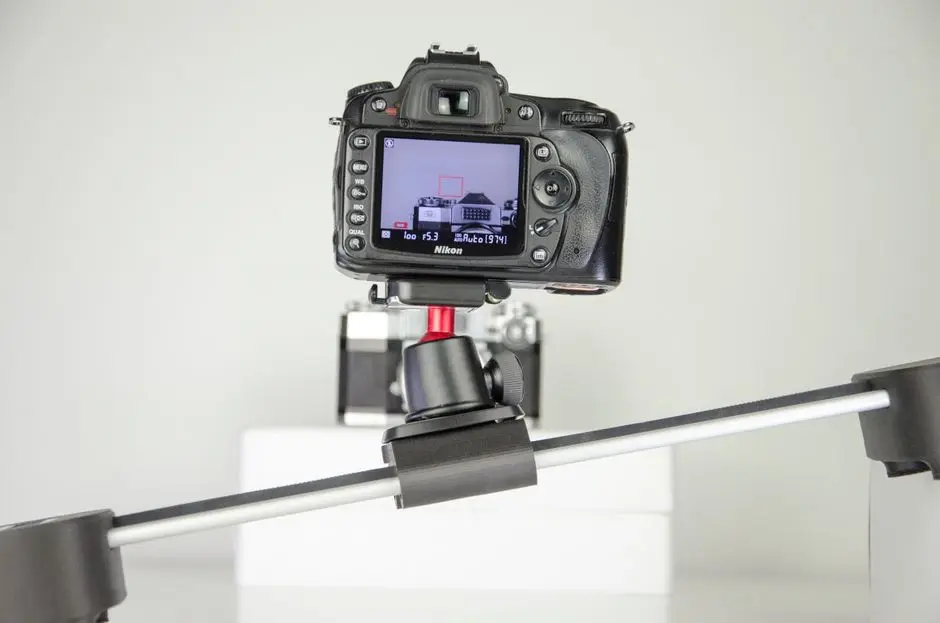
How to photograph a product for measurement: lens distortion and perspective error are different problems. At 1 m, 100 mm of depth costs 11% in size. Four setups ranked.
300 DPI vs 72 DPI is a fight over a file tag, not image quality. Here is the pixel math that settles print catalogs, marketplace specs and spec diagrams.