
Seller Growth
How to Make a Wholesale Line Sheet That Gets Reorders
A wholesale line sheet is the catalog page retail buyers order from. Learn what to include (prices, MOQ, case pack, lead time) so buyers actually reorder.
Tips and guides for adding size annotations to your product images
A wholesale line sheet is the catalog page retail buyers order from. Learn what to include (prices, MOQ, case pack, lead time) so buyers actually reorder.

Temu product image requirements for 2026: pixel sizes, the pure-white main image rule, file limits, and the exact reasons Temu images get rejected.

How to label building material dimensions on product images: tile, plywood, lumber, brick and pipe — nominal vs actual size, standards, and tolerances.
Reuse product images across platforms with one master spec table — Amazon, Alibaba, Wayfair, and TikTok Shop pixel, ratio, and background rules compared.

Will furniture fit through the door? Only if you publish delivery-access dimensions. Map every access path and label the product image before buyers order.

Nominal vs actual dimensions: why a 2x4 is really 1.5x3.5 in, how nominal sizing works across lumber, plywood, pipe and brick, and why listings need real sizes.
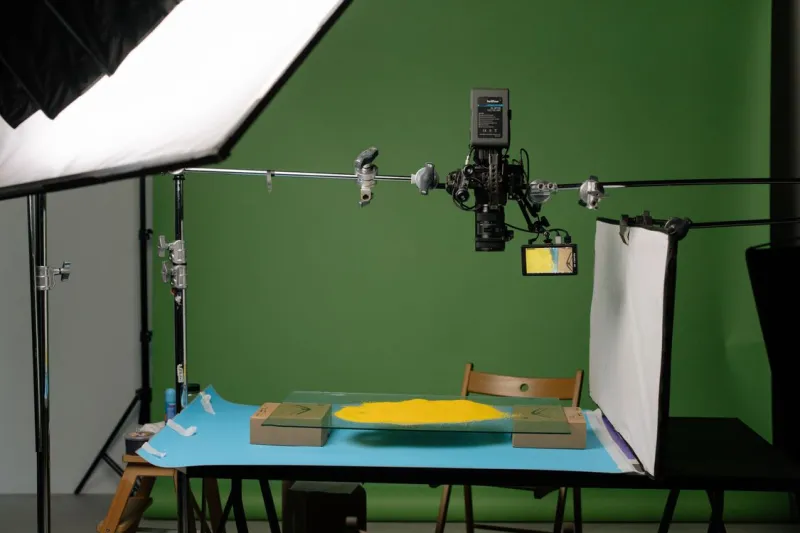
Global Sources image requirements, decoded: the main-image, background, format, and file-size rules suppliers must hit to win inquiries.

How to label weight capacity on product images so B2B buyers trust the load rating: static vs dynamic load, safety factors, and where to place the number.

TikTok Shop product image requirements for 2026: minimum size, 1:1 ratio, clean background rules, file limits, and why the still image still decides the sale.
Product photo callouts done right: how many to use, how long, and the 6 rules that make feature labels convert instead of clutter the image.

Wayfair image requirements for suppliers: exact resolution, white hero background, image count, and the dimension rule that decides your return rate.

How to show product size in a photo without a model: which scale tricks actually work, which mislead buyers, and the one that removes the guesswork.