

B2B & Suppliers
5 Gallon Bucket Dimensions: Top and Bottom Don't Match
5 gallon bucket dimensions aren't one number: a standard pail is 11.9 in top, 10.3 in bottom and 14.5 in tall — and '5 gallons' means 18.9 L, not 22.7.
Tips and guides for adding size annotations to your product images
5 gallon bucket dimensions aren't one number: a standard pail is 11.9 in top, 10.3 in bottom and 14.5 in tall — and '5 gallons' means 18.9 L, not 22.7.

Nightstand dimensions aren't one standard size — height tracks the mattress top, depth clears the bed, and width scales with it. Here are 6 myths that cause returns.

Coffee table dimensions that survive the first week: the 16-18 inch height band, the two-thirds sofa rule, and the 14-18 inch gap that keeps it out of returns.
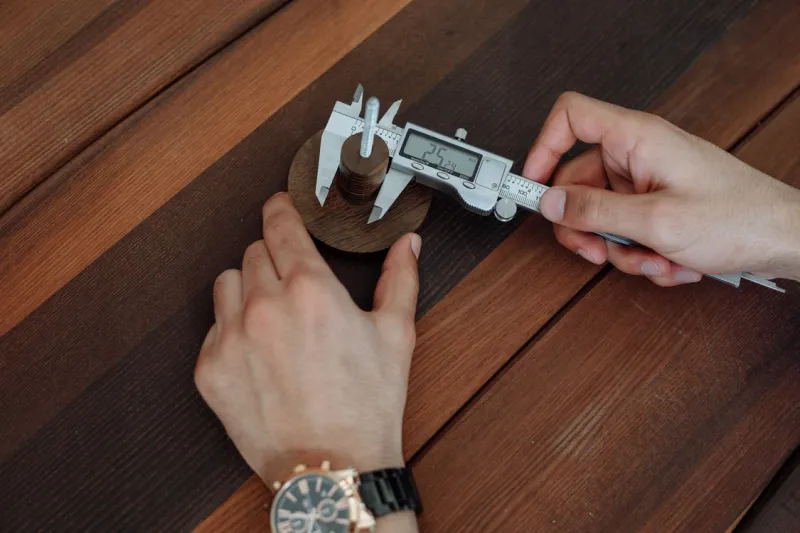
How to measure screw length depends on the head: flat heads measure from the top, pan and hex heads from under the head. Get the rule for every type.

Peak season returns run at about 17% of holiday sales. Most of that spike is a size problem — here is the pre-Q4 fix that cuts returns without cutting sales.
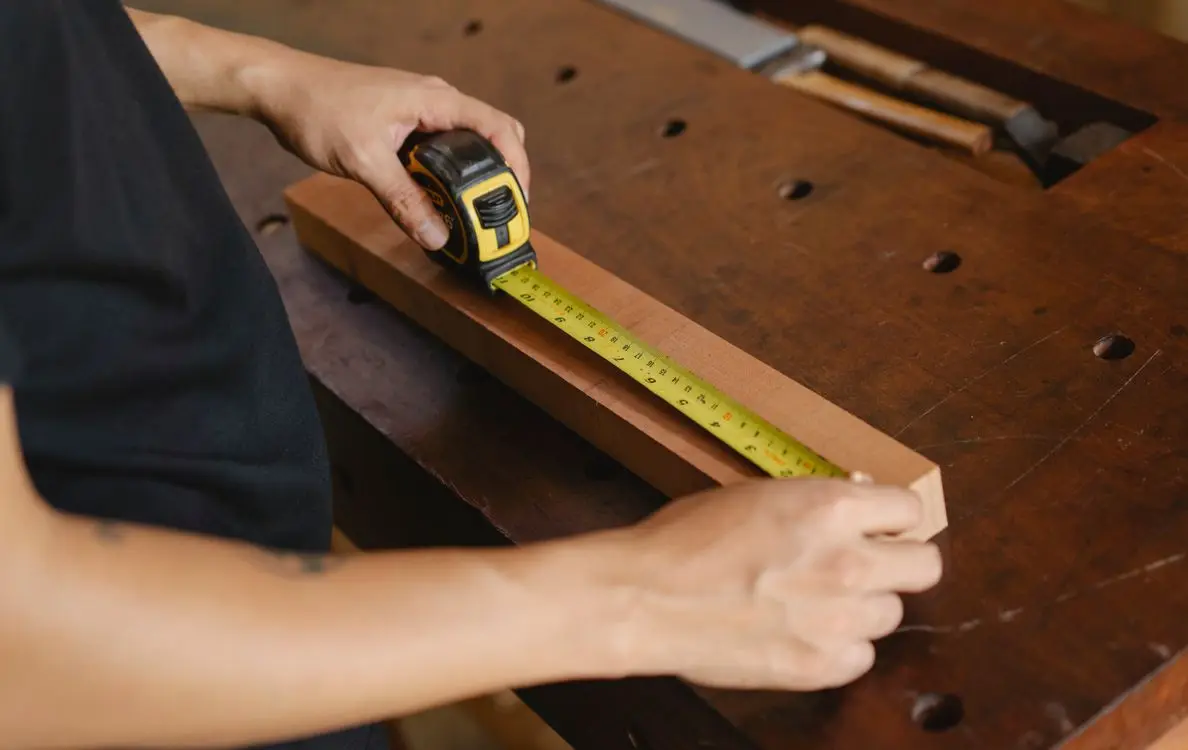
Product video vs images is the wrong either-or: video shows motion, but a still image with measured dimensions answers 'will it fit' and cuts size questions.

EU Machinery Regulation 2023/1230 applies from 20 January 2027. What exporters must change in the technical file, nameplate, instructions and CE marking.

Product images vs product descriptions: 42% of buyers judge size from the photo, not the copy — here is how to make the image answer before they ask.

How to measure a poly mailer so the bag fits what you ship: usable length vs the printed number, the 3-step formula, and the 2026 USPS rules that price it.
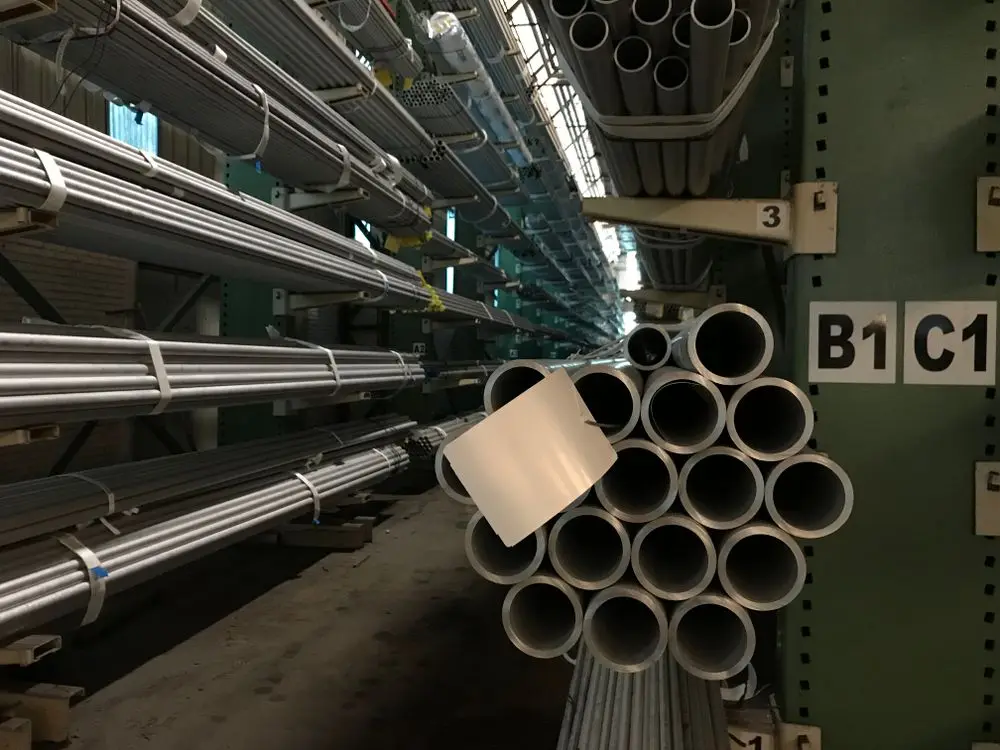
Schedule 40 vs schedule 80 pipe share the same outside diameter but not the same bore — here is the wall, weight and flow math buyers get wrong.

Clearance hole size chart per ISO 273: an M8 bolt needs 9.0 mm, not the 8 mm on the drawing — plus which fit to pick and the tolerance to print.

Concrete block dimensions explained: a nominal 8x8x16 CMU actually measures 7 5/8 x 7 5/8 x 15 5/8 in. The nominal-vs-actual math, and what to print on your spec.