

Size & Fit
What Size TV Stand for a 65-Inch TV? The 4 Numbers
What size TV stand for a 65-inch TV: the screen is 56.7 in wide, not 65 — plus foot span, usable top width and height, and the numbers to publish.
Tips and guides for adding size annotations to your product images
What size TV stand for a 65-inch TV: the screen is 56.7 in wide, not 65 — plus foot span, usable top width and height, and the numbers to publish.

Rectified vs non-rectified tile, decoded: the ISO 13006 work size on the box, the caliber trap, and the minimum grout joint each type can actually be laid at.
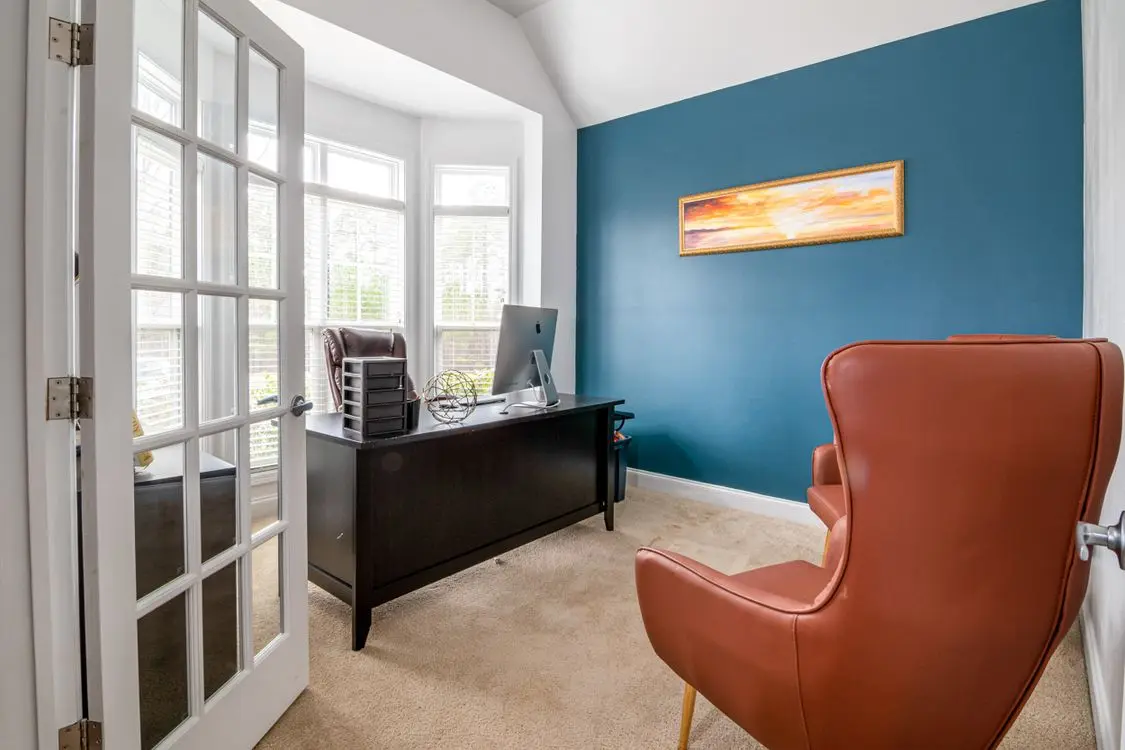
Office chair seat height standard by type: EN 1335-1 Table 2 values for Ax, A, B and C, why BIFMA sets none, and the 4 lines export buyers check.
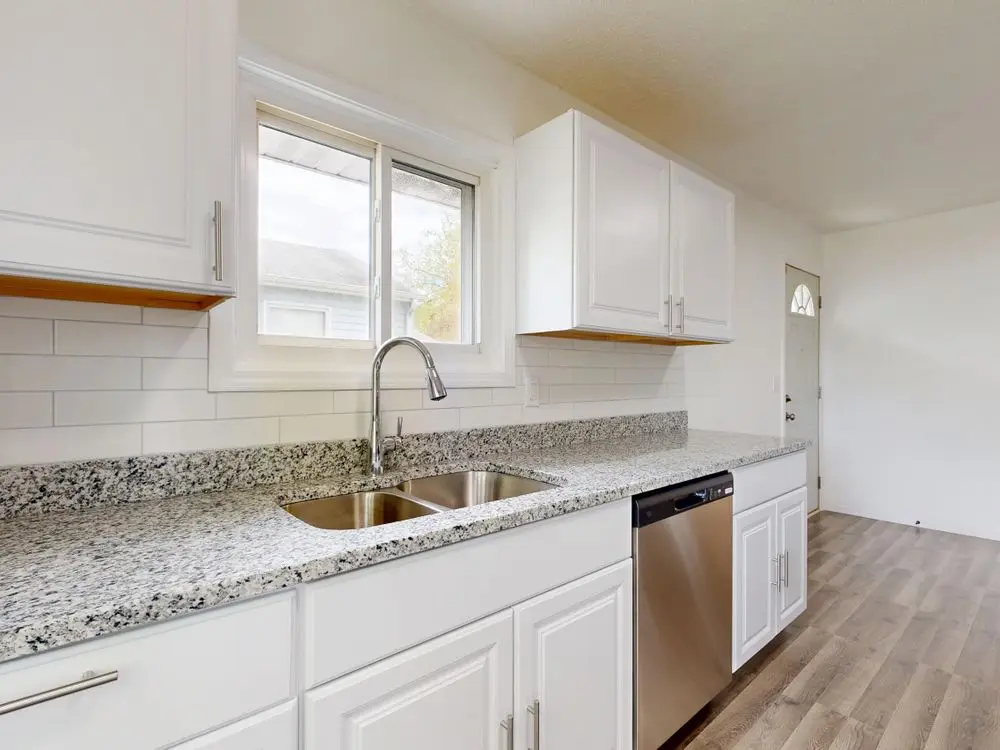
Countertop overhang has three different published limits, and none is the 1.5 in everyone quotes. Front lip, cantilever, seating knee space and load, sourced.

FIBC safety factor is a design type-test ratio, not a strength rating. What 5:1, 6:1 and the 1.8 stacking factor really prove, and what the label must carry.

Crib mattress fit requirements changed twice in 2026: new corner-gap testing from 3 May and a new crib standard from 1 August. The four numbers to publish.

Product dimensions structured data in schema.org, Google Merchant Center and the ChatGPT feed: every field, copy-paste JSON-LD, and the rule that breaks it.

Custom-made goods return rights: the EU and UK 14-day withdrawal carve-out, the two conditions it turns on, and the disclosure slip that costs 12 months.

Perspective distortion in product photos comes from camera distance, not focal length. The arithmetic, a distance table, and why no lens adds scale.
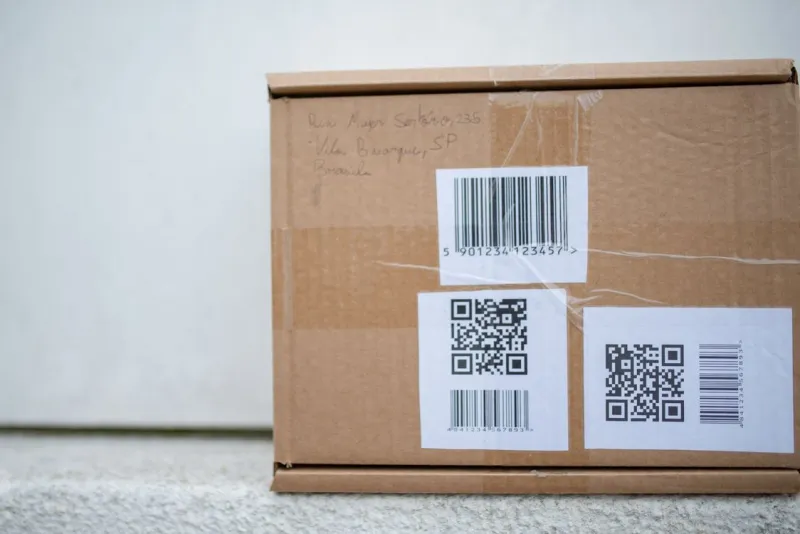
Digital Product Passport timeline by product group: battery passport 18 Feb 2027, steel 2026, textiles 2027, furniture 2028, plus the 18-24 month rule.

WLL vs MBL differ by a design factor of 2:1 to 7:1, so the wrong label overstates capacity by a multiple. Six rejected patterns and what to write instead.
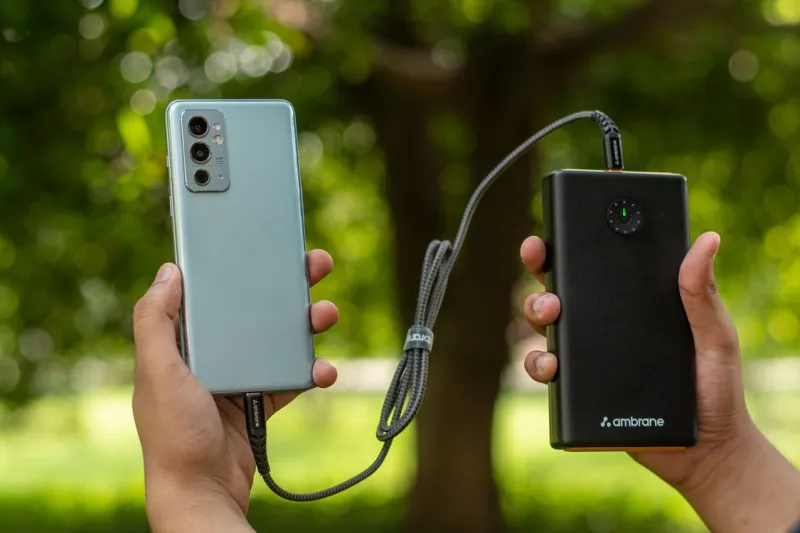
mAh to Wh conversion decides whether a battery flies. The 100 Wh and 160 Wh thresholds, PI 965/966/967, the 30% state-of-charge rule, and the voltage mistake.