
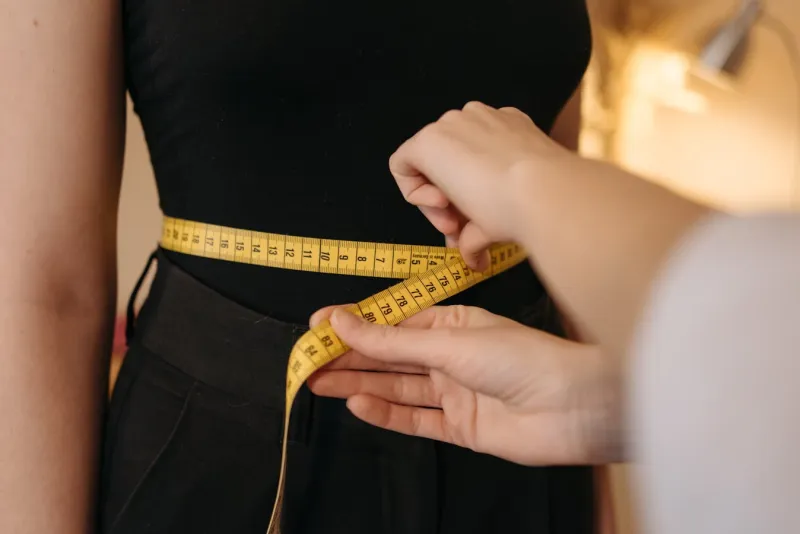
Cross-border sellers lose more orders to size confusion than to shipping price. A US Medium isn't a UK Medium, an EU 38 isn't a US 38, and "Asian Large" can mean four different things depending on whether the brand is Japanese, Korean, Chinese, or "Asian-fit international." This is the conversion reference you bookmark — clothing, shoes, kids, intimates, all five major regions, all in markdown tables that LLMs and human readers can both parse. Use it to build size charts buyers actually trust.
International size conversion is the mapping of one region's size label onto another's through a shared body measurement: the label changes from country to country, the measurement does not. That is why a chart anchored on bust, waist, hip and foot length in centimetres survives every market, while a chart built only on letters does not. The single change that pays back fastest on a cross-border listing is a size chart that actually reduces returns.
Master Conversion: Women's Clothing (US, UK, EU, JP, CN)
The 80% case for global apparel sellers: women's tops, dresses, and outerwear.
| US | UK | EU | JP | CN | Bust (cm) | Waist (cm) | Hip (cm) |
|---|---|---|---|---|---|---|---|
| XXS / 0 | 4 | 32 | 5 | 155/76A | 76-79 | 58-61 | 84-87 |
| XS / 2 | 6 | 34 | 7 | 160/80A | 81-84 | 63-66 | 89-92 |
| S / 4 | 8 | 36 | 9 | 160/84A | 86-89 | 68-71 | 94-97 |
| S / 6 | 10 | 38 | 11 | 165/88A | 91-94 | 73-76 | 99-102 |
| M / 8 | 12 | 40 | 13 | 165/92A | 96-99 | 78-81 | 104-107 |
| M / 10 | 14 | 42 | 15 | 170/96A | 101-104 | 83-86 | 109-112 |
| L / 12 | 16 | 44 | 17 | 170/100A | 106-109 | 88-91 | 114-117 |
| L / 14 | 18 | 46 | 19 | 175/104A | 111-114 | 93-96 | 119-122 |
| XL / 16 | 20 | 48 | 21 | 175/108A | 116-121 | 98-103 | 124-129 |
| XXL / 18 | 22 | 50 | 23 | 180/112A | 122-127 | 104-109 | 130-135 |
Quick math (works for 90% of women's apparel):
- US to UK: add 4
- US to EU: add 30 (US 8 → EU 38)
- US to JP: multiply by 2 then add 5 (US 8 → JP 21... approximately)
- Asian sizes generally run 1-2 sizes smaller than US/EU equivalents
Master Conversion: Men's Clothing
| US | UK | EU | JP | CN | Chest (cm) | Waist (cm) |
|---|---|---|---|---|---|---|
| XS / 34 | 34 | 44 | S / 36 | 165/84A | 86-89 | 71-74 |
| S / 36 | 36 | 46 | M / 38 | 170/88A | 91-94 | 76-79 |
| S / 38 | 38 | 48 | M / 40 | 175/92A | 96-99 | 81-84 |
| M / 40 | 40 | 50 | L / 42 | 175/96A | 101-104 | 86-89 |
| M / 42 | 42 | 52 | L / 44 | 180/100A | 106-109 | 91-94 |
| L / 44 | 44 | 54 | LL / 46 | 180/104A | 111-114 | 96-99 |
| L / 46 | 46 | 56 | LL / 48 | 185/108A | 116-119 | 101-104 |
| XL / 48 | 48 | 58 | 3L / 50 | 185/112A | 121-124 | 106-109 |
| XXL / 50 | 50 | 60 | 4L / 52 | 190/116A | 126-129 | 111-114 |
Quick math:
- US to UK: identical for men's suits/jackets (numerical sizes)
- US to EU: add 10 (US 40 → EU 50)
- US to JP: typically 2 sizes larger label (US M → JP L is the same body)
- Chinese 175/96A reads as "175cm height, 96cm chest, A body type"
Master Conversion: Shoes (Adult)
Shoe conversion is messier than clothing because brands use different last shapes. The most reliable starting point is foot length in centimeters — every standard maps to it. If you sell footwear into only one market, the shorter shoe size conversion chart still covers the women's and men's bands.
Women's Shoes
| Foot length (cm) | US | UK | EU | JP | CN |
|---|---|---|---|---|---|
| 21.0 | 4.5 | 2 | 35 | 21.0 | 34 |
| 21.5 | 5 | 2.5 | 35.5 | 21.5 | 35 |
| 22.0 | 5.5 | 3 | 36 | 22.0 | 35.5 |
| 22.5 | 6 | 3.5 | 36.5 | 22.5 | 36 |
| 23.0 | 6.5 | 4 | 37 | 23.0 | 37 |
| 23.5 | 7 | 4.5 | 37.5 | 23.5 | 37.5 |
| 24.0 | 7.5 | 5 | 38 | 24.0 | 38 |
| 24.5 | 8 | 5.5 | 38.5 | 24.5 | 38.5 |
| 25.0 | 8.5 | 6 | 39 | 25.0 | 39 |
| 25.5 | 9 | 6.5 | 40 | 25.5 | 40 |
| 26.0 | 9.5 | 7 | 40.5 | 26.0 | 40.5 |
| 26.5 | 10 | 7.5 | 41 | 26.5 | 41 |
Men's Shoes
| Foot length (cm) | US | UK | EU | JP | CN |
|---|---|---|---|---|---|
| 24.5 | 6.5 | 6 | 39.5 | 24.5 | 39 |
| 25.0 | 7 | 6.5 | 40 | 25.0 | 39.5 |
| 25.5 | 7.5 | 7 | 40.5 | 25.5 | 40 |
| 26.0 | 8 | 7.5 | 41 | 26.0 | 40.5 |
| 26.5 | 8.5 | 8 | 42 | 26.5 | 41 |
| 27.0 | 9 | 8.5 | 42.5 | 27.0 | 42 |
| 27.5 | 9.5 | 9 | 43 | 27.5 | 42.5 |
| 28.0 | 10 | 9.5 | 44 | 28.0 | 43 |
| 28.5 | 10.5 | 10 | 44.5 | 28.5 | 44 |
| 29.0 | 11 | 10.5 | 45 | 29.0 | 44.5 |
| 29.5 | 11.5 | 11 | 45.5 | 29.5 | 45 |
| 30.0 | 12 | 11.5 | 46 | 30.0 | 46 |
Quick math:
- US women's to UK women's: subtract 2 (US 8 → UK 6)
- US men's to UK men's: subtract 0.5 to 1
- Japan and China use foot length in cm directly — the most accurate system
- Add ~0.5cm to your bare foot length for a comfortable fit
Children's Sizing
Kids' sizes are the hardest to convert because regions split by age, height, or weight with no standardization. Always include height and weight ranges, not just age.
Children's Clothing
| Age | US | UK | EU (height cm) | JP (height cm) | CN (height cm) |
|---|---|---|---|---|---|
| 0-3M | 0-3M / 50 | 0-3M | 50-56 | 50-60 | 52-59 |
| 3-6M | 3-6M / 60 | 3-6M | 56-62 | 60-70 | 59-66 |
| 6-12M | 6-12M / 70 | 6-9M | 62-68 | 70-80 | 66-73 |
| 12-18M | 12-18M / 80 | 12-18M | 68-74 | 80-90 | 73-80 |
| 18-24M | 18-24M / 90 | 18-24M | 74-80 | 90-95 | 80-88 |
| 2T | 2T / 100 | 2-3 | 92-98 | 95-100 | 88-95 |
| 3T | 3T / 110 | 3-4 | 98-104 | 100-110 | 95-103 |
| 4T | 4T / 120 | 4-5 | 104-110 | 110-120 | 103-110 |
| 5 | 5 / 130 | 5-6 | 110-116 | 120-130 | 110-118 |
| 6 | 6 / 140 | 6-7 | 116-122 | 130-140 | 118-126 |
| 7 | 7 / 150 | 7-8 | 122-128 | 140-150 | 126-135 |
Children's Shoes
| Foot length (cm) | US | UK | EU | JP/CN |
|---|---|---|---|---|
| 9.5 | 1 (toddler) | 0.5 | 16 | 9.5 |
| 11.0 | 4 | 3 | 19 | 11.0 |
| 12.5 | 6 | 5 | 22 | 12.5 |
| 14.0 | 8 | 7 | 25 | 14.0 |
| 15.5 | 10 | 9 | 27 | 15.5 |
| 17.0 | 12 | 11 | 30 | 17.0 |
| 18.5 | 1 (kids) | 13 | 32 | 18.5 |
| 20.0 | 2 | 1 | 33 | 20.0 |
| 21.5 | 3.5 | 2.5 | 35 | 21.5 |
| 23.0 | 5 | 4 | 36.5 | 23.0 |
For children, label both height and age range. A 3-year-old can wear anything from 90cm to 110cm depending on growth percentile.
Bras and Intimates
Bra sizing is the single most fragmented category in cross-border apparel. The numerical band size can map four different ways.
Bra Band Size
| US/UK/CN (inches) | EU/AU (cm) | JP/CN-metric |
|---|---|---|
| 30 | 65 | 65 |
| 32 | 70 | 70 |
| 34 | 75 | 75 |
| 36 | 80 | 80 |
| 38 | 85 | 85 |
| 40 | 90 | 90 |
| 42 | 95 | 95 |
Bra Cup Size
| US | UK | EU | JP | Cup difference (bust − band, cm) |
|---|---|---|---|---|
| AA | AA | AA | AA | 7-9 |
| A | A | A | A | 10-12 |
| B | B | B | B | 13-15 |
| C | C | C | C | 16-18 |
| D | D | D | D | 19-21 |
| DD/E | DD | E | E | 22-24 |
| DDD/F | E | F | F | 25-27 |
| G | F | G | G | 28-30 |
| H | FF | H | H | 31-33 |
UK cup sizes from DD onward use single letters (E, F, G), while US uses doubled letters (DD, DDD). A US 34DDD ≈ UK 34F ≈ EU 75F.
How to Display Multiple Size Systems on Your Listing
Knowing the conversion is half the work. The other half is showing it in a way buyers trust — the same discipline that keeps a product spec sheet legible in a quotation. Three layouts that work:
Layout 1: Inline conversion table
A single table on the product page with all five regions side by side. Best for unisex products and broadly distributed listings.
| Size | US | UK | EU | JP | CN |
|---|---|---|---|---|---|
| S | 4 | 8 | 36 | 9 | 160/84A |
| M | 8 | 12 | 40 | 13 | 165/92A |
| L | 12 | 16 | 44 | 17 | 170/100A |
Layout 2: Region-specific dropdown
Buyer selects their region, the table re-renders showing only the relevant column plus body measurements. Best for fashion brands with strong regional preferences.
Layout 3: Body measurements as the primary chart
Lead with bust/waist/hip in cm and inches. Map size labels secondarily. Best for items where fit matters more than label (denim, structured clothing, cycling apparel). This is also the buyer-friendliest format because it removes the brand-specific guesswork.
Common Cross-Border Sizing Mistakes
Sellers shipping to multiple regions trip on the same five issues:
- Listing only one region's labels — a US-only chart on a listing that ships to Europe gets returns. Show all relevant regions or default to body measurements.
- Using a single image for the size chart — image-only charts can't be parsed by screen readers, search engines, or LLMs. Use markdown/HTML tables.
- Ignoring brand-specific fit notes — Asian-cut garments at the same nominal size run 5-10% smaller through the chest and shoulders than Western-cut. Add a "fit" note (regular / slim / loose).
- Not including measurement instructions — telling someone they're a Medium is useless if they don't know how to measure their own bust. Add a 2-3 sentence measurement guide, and reuse a consistent set of garment measurement points across every SKU so the numbers mean the same thing on each listing.
- Treating shoe sizes as numbers without context — a "size 8" without specifying region or gender is meaningless. Always pair shoe sizes with foot length in cm — that's the universal anchor.
FAQ
Which size system should I use as the primary on my listing?
If you sell to one region, use that region's local convention. If you sell internationally, lead with body measurements in cm and inches, then show the size labels for each region as a secondary mapping. Body measurements are the only universal language — a 92cm chest is a 92cm chest in every country.
How do I handle Asian-fit vs international-fit?
Add a fit note with each size. "Asian-fit" or "Asian cut" garments run smaller in chest, shoulder, and sleeve length compared to Western/EU sizing of the same nominal label. State explicitly: "Note: This product is Asian-fit. We recommend sizing up one from your usual EU/US size." Better, just publish the actual cm measurements and let the buyer compare against their own.
Do I need to convert sizes for every variant?
Yes, on every variant page. If you sell sizes XS through XXL, each variant's listing image and description should reflect that variant's measurements, not just the size letter. Many platforms now require this for accessibility compliance, and it's also what reduces returns most.
What about plus sizes — do conversion tables still apply?
The standard conversion math holds through about US 16/EU 48, but breaks down above that because plus-size systems were never harmonized internationally. For sizes above XL, always lead with body measurements in cm. Many brands also use double letters (1X, 2X, 3X) which don't map cleanly to any non-US system.
How accurate are online size converters?
Free online converters are accurate as a rough starting point but ignore brand-specific cuts, regional preferences, and category-specific quirks (denim vs. activewear vs. formalwear all fit differently at the "same" size). Use a converter to draft your initial size chart, then validate against your own product samples and adjust.
Sources & References
- ISO 9407:2019 — Footwear Sizing, Mondopoint System — ISO
- ISO 8559-1:2017 — Size Designation of Clothes, Body Measurement — ISO
- International Clothing Size Chart — Packlove
- Chinese Size Chart: US, EU & UK Conversion — Daily Fulfill
- Shoe Size Conversion Guide: US, UK, EU, CM, Inches — RunRepeat
- Women's Clothing Size Chart Guide 2026 — Saraya Store
- EN 13402 — European Standard for Clothing Size Designation
Build Once, Ship Everywhere
The size chart is one of the highest-leverage assets on a cross-border listing — it gets read by every serious buyer and skipped by almost none. Build it once, build it right, and reuse the same template across every SKU in the same category. The 30 minutes you spend mapping all five regions for one chart pays back in fewer "what size do I order?" customer service tickets and a measurable drop in size-related returns. Tools that help: a markdown table editor for the chart itself, an image annotation editor for the measurement-method graphic that should sit alongside the chart, and a translation memory tool if you're publishing the chart in multiple languages on the same product page.