Enter your unit cost, margin and the charges for each leg to get EXW, FOB, CFR and CIF prices side by side, per unit and for the whole order. Then type in the buyer's counter-offer to see the margin it leaves.
Margin is profit as a share of the selling price, not a mark-up on cost: 15% margin on a cost of 10 is a price of 11.76, not 11.50.
| Unit cost (ex-works, packed) | $10.00 |
|---|---|
| Charges to FOB, per unit | $0.800 |
| Profit per unit | $1.906 |
| Freight per unit | $1.500 |
| Insurance per unit | $0.047 |
| Profit on the order | $1,906 |
Enter the price the buyer proposed to see the margin it leaves after the same costs.
FOB, CFR and CIF are Incoterms 2020 rules for sea and inland waterway. For container cargo handed over at a terminal, the ICC recommends FCA, CPT and CIP; the arithmetic is the same.
Under CIF the seller must insure at least 110% of the contract price on Institute Cargo Clauses (C) or similar cover. Use the rate your insurer quotes.
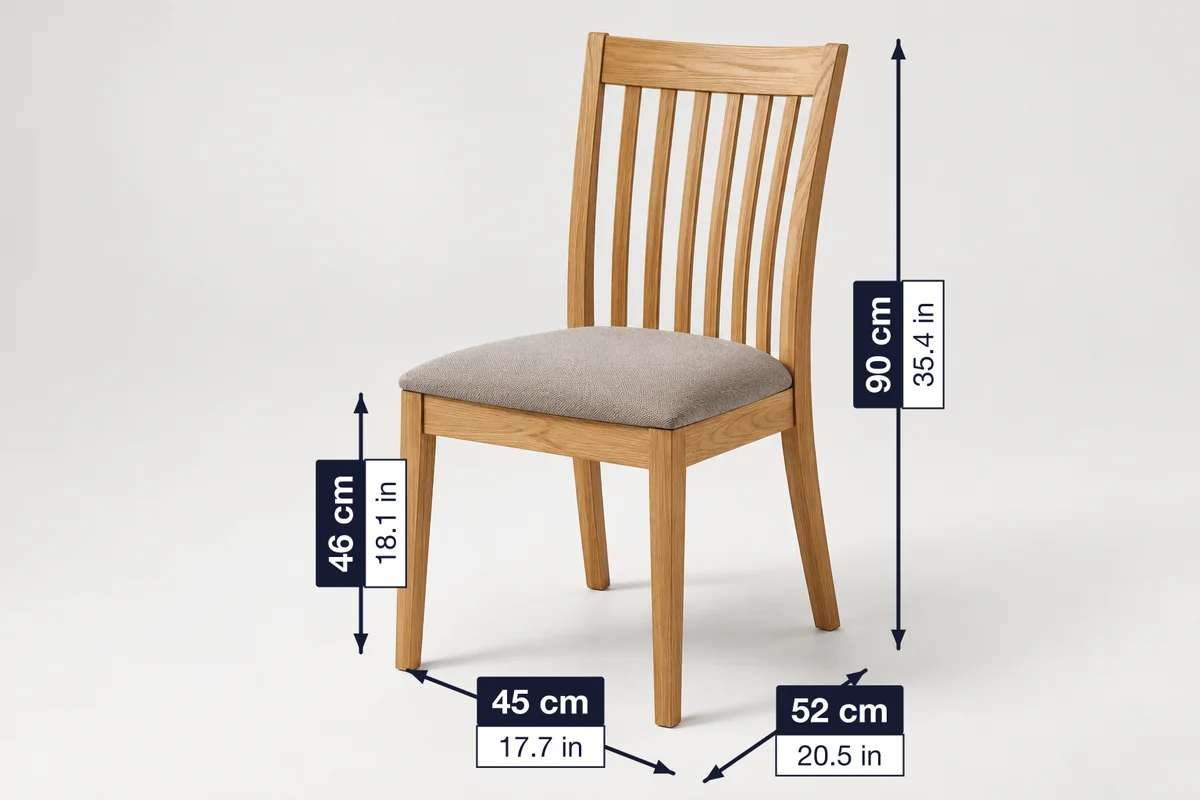
A quotation that shows the packed size, carton weight and what the buyer is getting gets compared, not skipped. Mark the specs on your product photo and attach it to the quote.
The calculator treats your margin as a share of the selling price, which is how most export price build-ups are done. Freight and insurance are passed to the buyer at cost; your margin sits in the FOB price, so the profit per unit is the same under FOB, CFR and CIF.
| Term | Formula | Example |
|---|---|---|
| EXW | unit cost ÷ (1 − margin) | 10.00 ÷ 0.85 = 11.765 |
| FOB | (unit cost + charges to FOB per unit) ÷ (1 − margin) | (10.00 + 0.80) ÷ 0.85 = 12.706 |
| CFR | FOB + freight per unit | 12.706 + 1.50 = 14.206 |
| CIF | CFR ÷ (1 − 110% × insurance rate) | 14.206 ÷ (1 − 1.1 × 0.3%) = 14.253 |
Example: unit cost 10.00, 1,000 units, 15% margin, 800 in charges to FOB (trucking, export clearance, terminal charges), 1,500 ocean freight, insurance 0.3% on 110%. The insurance premium is 0.047 per unit, which is CIF × 110% × 0.3%.
Related: how to write an export quotation · CBM calculator · container loading calculator · volumetric weight calculator
Add the freight per unit to get CFR, then divide by (1 − 110% × insurance rate) to add insurance. FOB 12.706 plus freight 1.50 is CFR 14.206; with insurance at 0.3% on 110%, CIF is 14.206 ÷ 0.9967 = 14.253.
Incoterms 2020 requires the seller under CIF to insure at least 110% of the contract price. The extra 10% covers the buyer's expected profit and costs if the goods are lost. Because the premium is part of the CIF price it insures, the formula divides rather than adds.
Mark-up is profit as a share of cost; margin is profit as a share of the price. A cost of 10 with a 15% mark-up sells at 11.50 and earns 13% margin. To earn a 15% margin you need 10 ÷ 0.85 = 11.76.
Quote the term your buyer asks for, and give both when you are not sure. FOB keeps freight risk with the buyer; CIF lets them compare landed cost more easily but ties you to a freight rate. Always name the port and the Incoterms year.
Convert it back to FOB, subtract your costs, and divide the profit by the FOB price. Enter the counter-offer in the check box above: with the example costs, a CIF counter-offer of 13.80 leaves an 11.9% margin.