
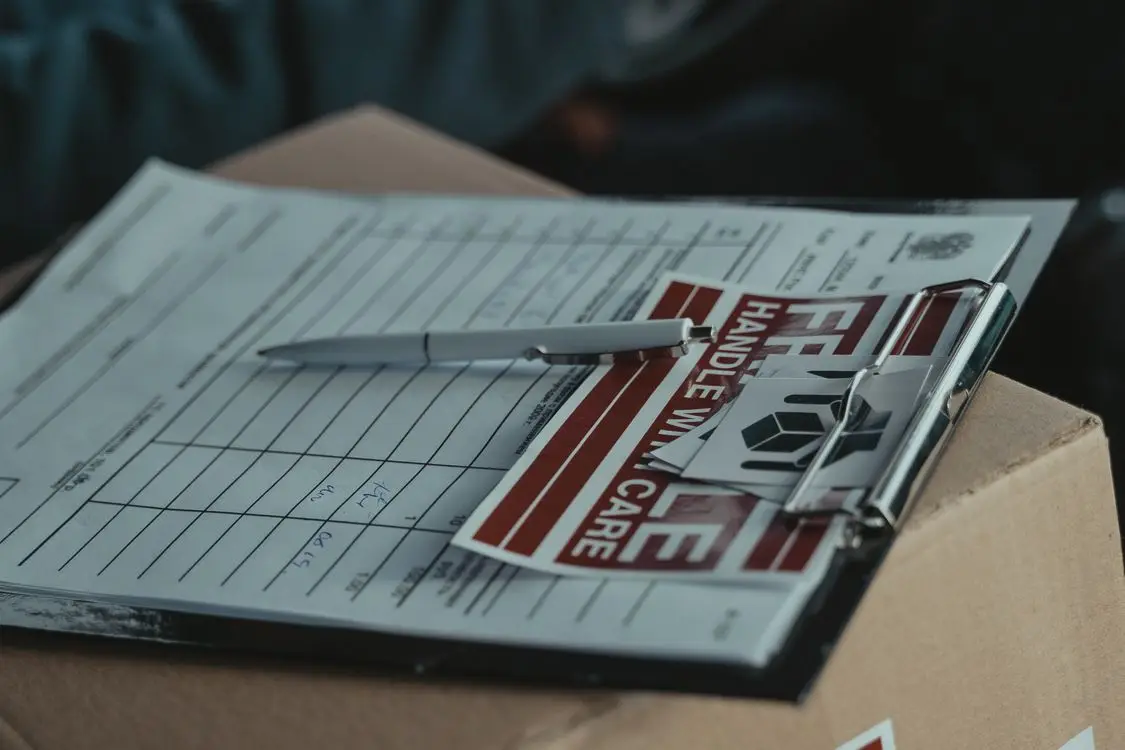
B2B & Suppliers
Packing List vs Commercial Invoice: Which Numbers Go Where
Packing list vs commercial invoice: the two documents share five numbers, and customs, the carrier and the buyer each reject the shipment over a different one.
Browse b2b & suppliers articles on SizeMarker Blog
Packing list vs commercial invoice: the two documents share five numbers, and customs, the carrier and the buyer each reject the shipment over a different one.

G90 vs Z275 are the same 275 g/m2 of zinc, total both sides. Here is how galvanized coating weight designations differ, and where export specs break.

How many pallets fit in a truck comes down to two numbers nobody sends you: the trailer internal width and your pallet footprint. Here is the math, and the law.

Duty-free commercial samples still clear customs, but the de minimis shortcut is gone. Four routes to ship a sample, what each one demands, and where they fail.
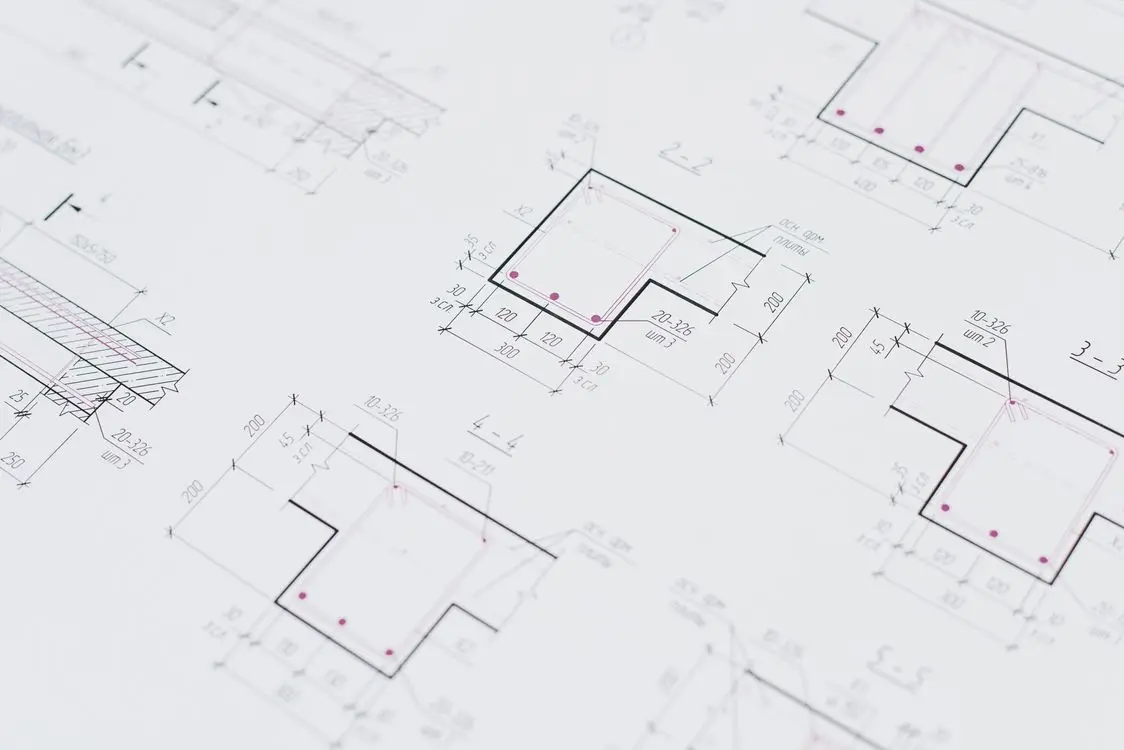
First angle vs third angle projection decides which side of the sheet each view lands on. The 5-second test, the ISO rule, and where export orders break.

Conveyor belt specifications decoded field by field: what EP 800/4 6+2 X commits you to, ISO 251 width tolerances, and the pulley diameter it already chose.

Rockwell vs Brinell vs Vickers: what each test measures, which parts can take which, and why ASTM E140 calls every hardness conversion approximate.

ECT vs Mullen decides whether your carton survives the stack or the forklift. What 32 ECT and 200# really certify, and which one you should specify.

Casting tolerance grades decide what a foundry may ship. The ISO 8062-3 DCT chart in mm, the RMA machining allowance table, and how to write the callout.
ABEC vs ISO bearing tolerance class mapped in one chart, plus the inch-series scale that runs backwards and the runout a class upgrade actually buys.

IBC tote vs steel drum, decided with real numbers: footprints, UN codes 31HA1 and 1A1, retest clocks, and how much liquid each holds per square meter of floor.

H7/h6 fit tolerance is a clearance fit, not a transition fit. What H, h, 6 and 7 mean, the ISO 286 numbers at 25 mm, and where the code belongs.