

B2B & Suppliers
Gear Module vs Diametral Pitch: 25.4 Is Not a Fit
Gear module vs diametral pitch: the 25.4 conversion lines up two quotes and never guarantees a fit. Four sourcing scenarios and the spec block buyers can check.
Browse b2b & suppliers articles on SizeMarker Blog
Gear module vs diametral pitch: the 25.4 conversion lines up two quotes and never guarantees a fit. Four sourcing scenarios and the spec block buyers can check.
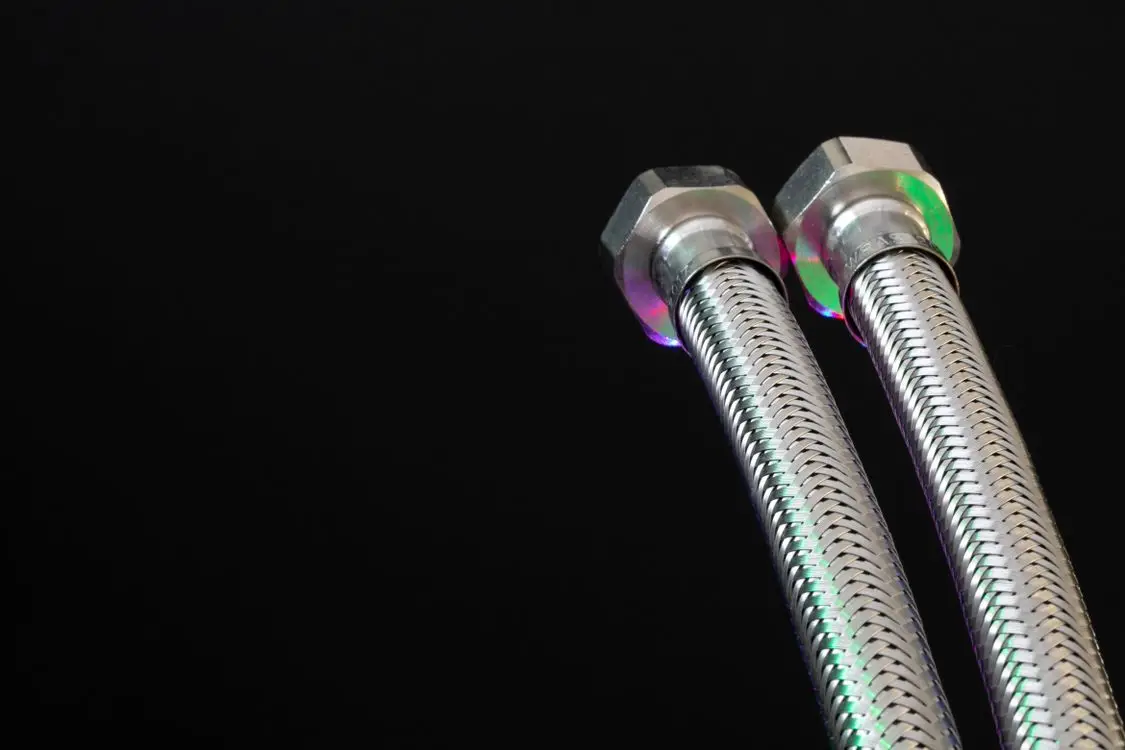
JIC vs ORFS vs BSP fittings can share the same thread but seal in three different places. The 60-second ID routine and the dash-size trap table.

Office chair seat height standard by type: EN 1335-1 Table 2 values for Ax, A, B and C, why BIFMA sets none, and the 4 lines export buyers check.
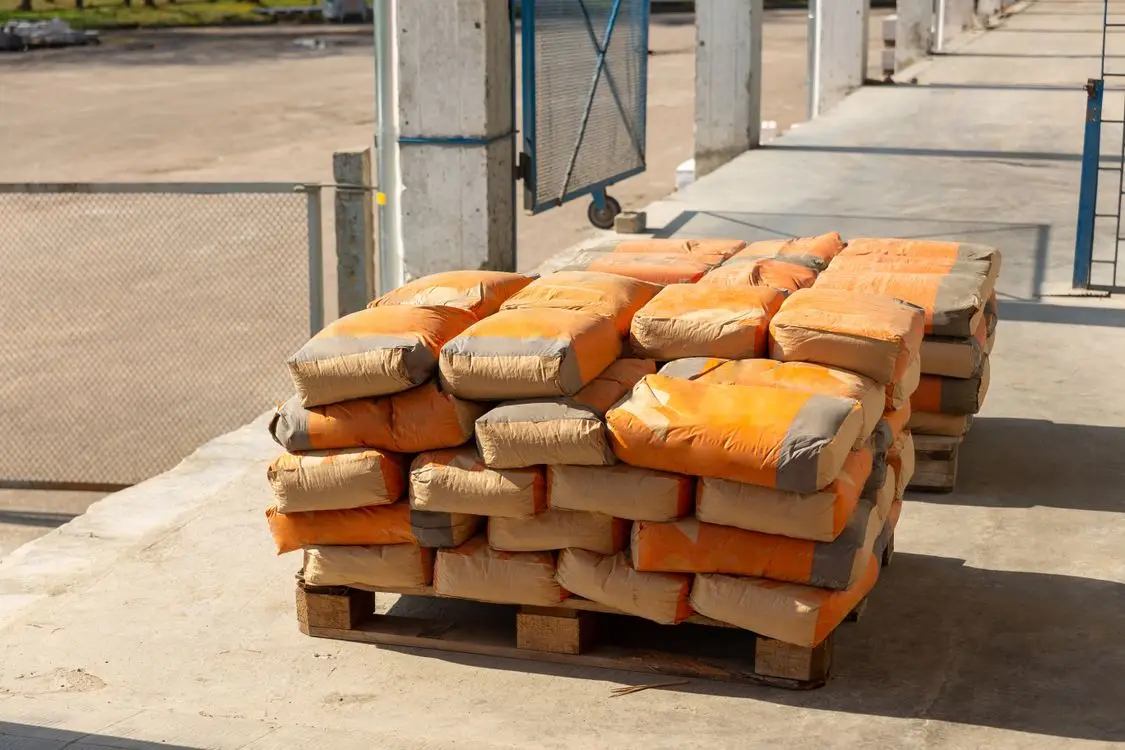
FIBC safety factor is a design type-test ratio, not a strength rating. What 5:1, 6:1 and the 1.8 stacking factor really prove, and what the label must carry.

WLL vs MBL differ by a design factor of 2:1 to 7:1, so the wrong label overstates capacity by a multiple. Six rejected patterns and what to write instead.
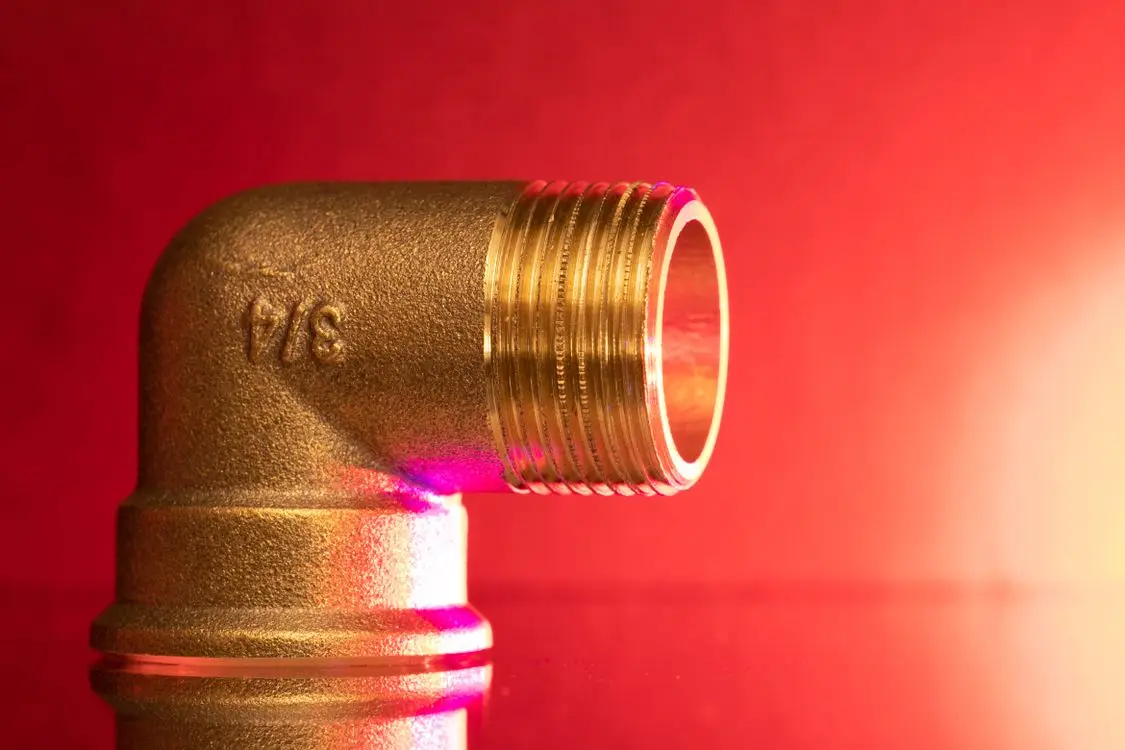
NPT vs BSP thread runs 14 TPI in both at 1/2 in, so it assembles and then leaks. TPI and major-diameter tables, plus an eight-field callout template.
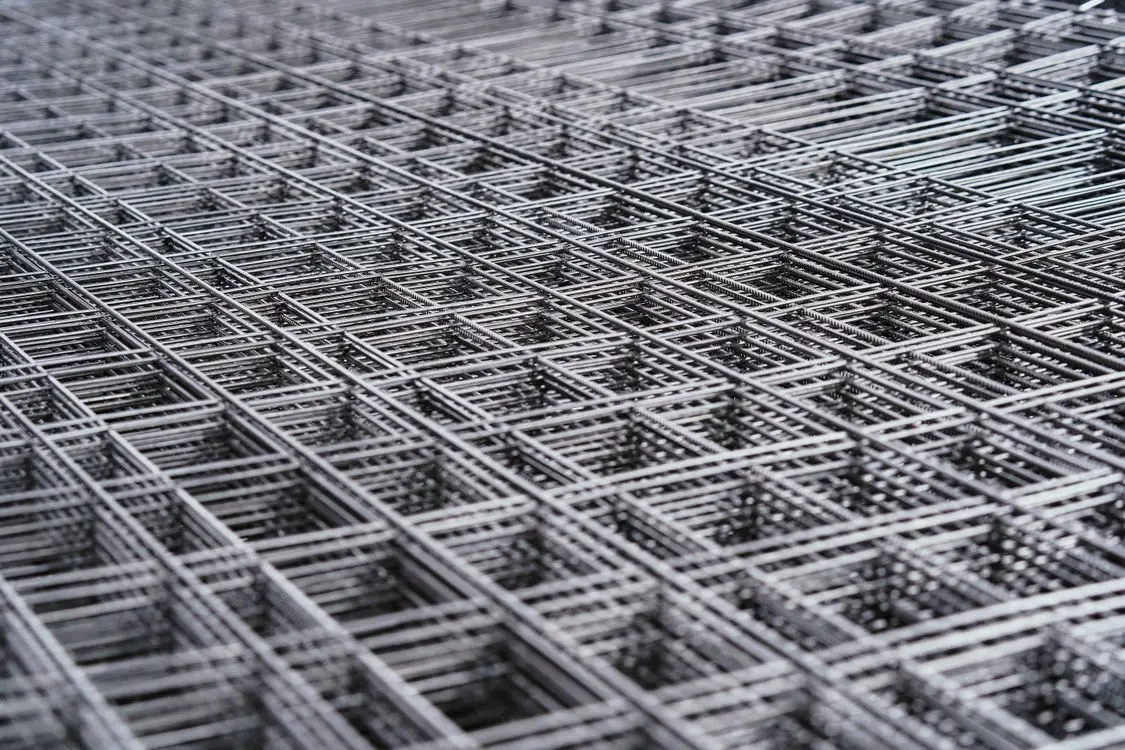
Mesh count vs micron: mesh is a weave density, not an aperture. Two 100-mesh cloths can differ by 51 microns and both be honestly labelled.
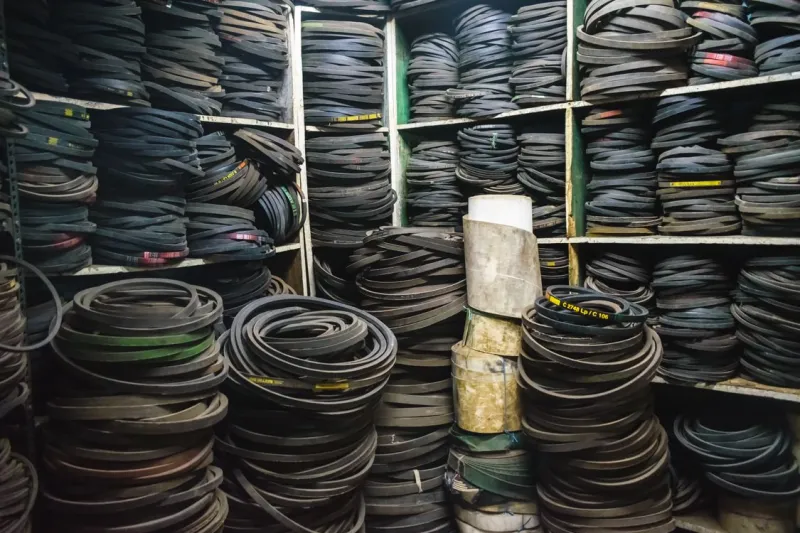
Shore A vs Shore D hardness are two instruments, not two precisions: why 'Shore 70' is not a spec, why no conversion exists, and how to write a callout that holds.
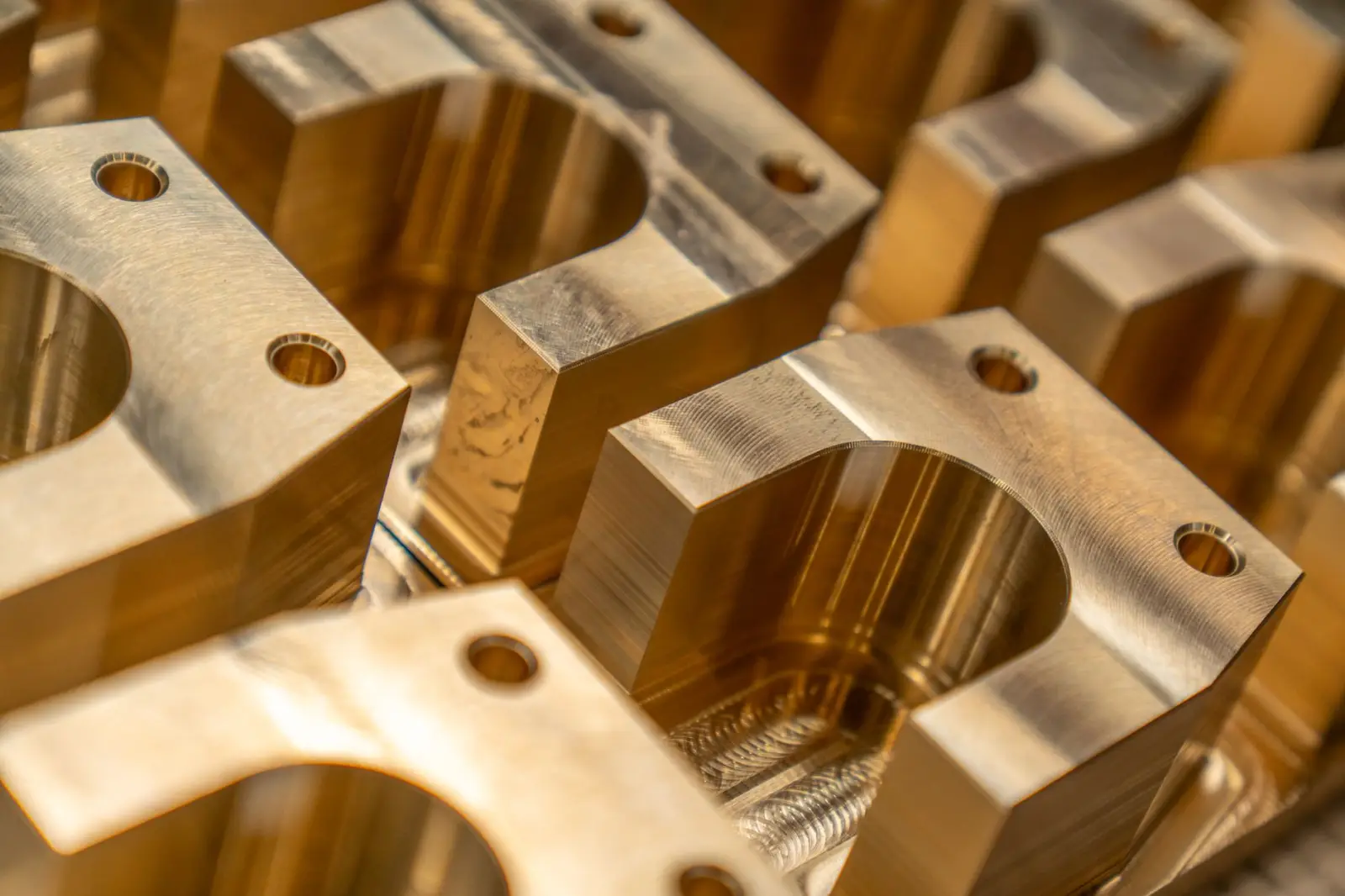
Ra vs Rz measure different things — two parts can share an Ra and only one will seal. What each parameter sees, why no conversion factor works, and what ISO 21920 changed.

Cover width vs overall width decides panel count: a 1,000 mm sheet covers 840 mm. The profile table, the panel-count formula and where the 25% shortfall comes from.
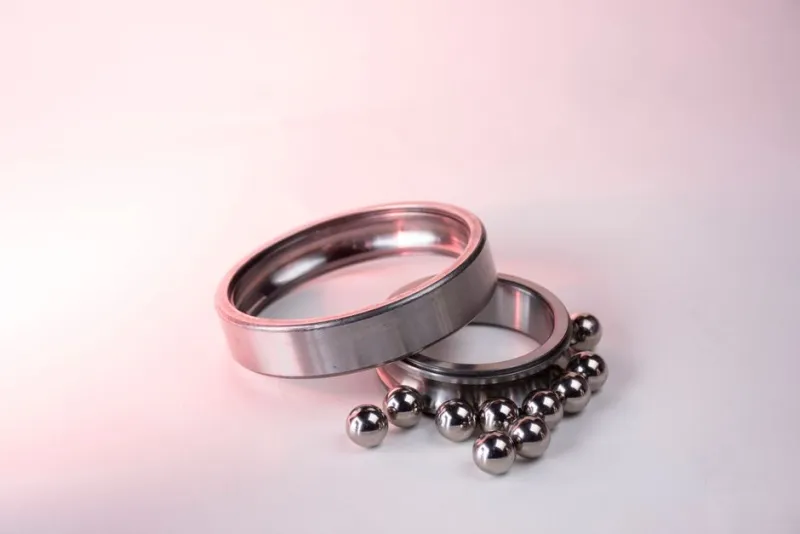
What bearing numbers mean: 6205 decodes to a 25 mm bore, 52 mm OD and 15 mm width under ISO 15. Bore-code table, dimension series, suffixes and what to quote.
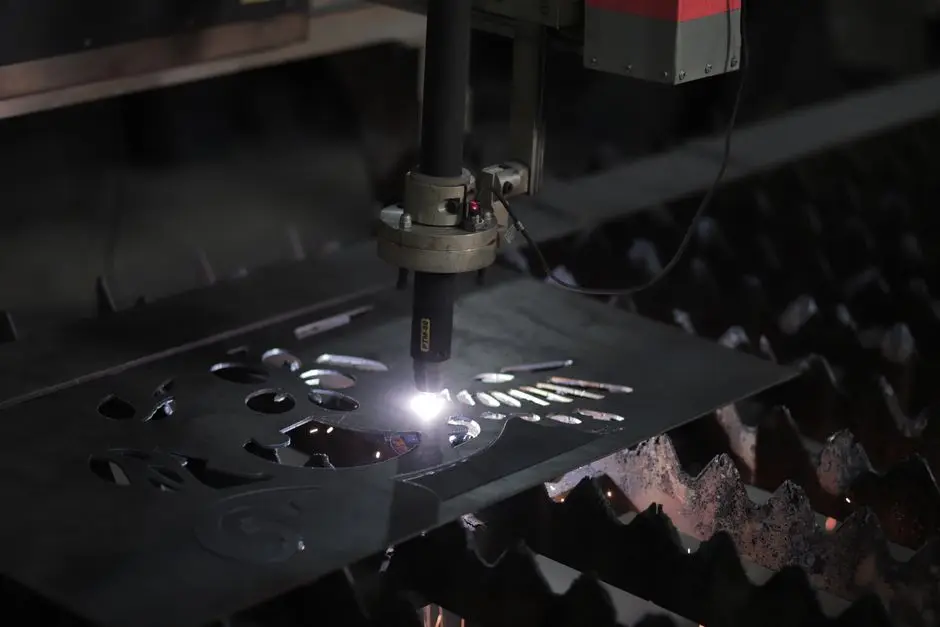
Sheet metal gauge to mm depends on the metal: 16 gauge is 1.52 mm in steel, 1.61 mm galvanized, 1.59 mm stainless, 1.29 mm aluminium. Four tables compared.