

B2B & Suppliers
Wood Moisture Content for Export Furniture: 6 Answers
Wood moisture content for export furniture decides whether a table lands flat or cracked. Six questions answered with real EMC numbers by destination market.
Browse b2b & suppliers articles on SizeMarker Blog
Wood moisture content for export furniture decides whether a table lands flat or cracked. Six questions answered with real EMC numbers by destination market.
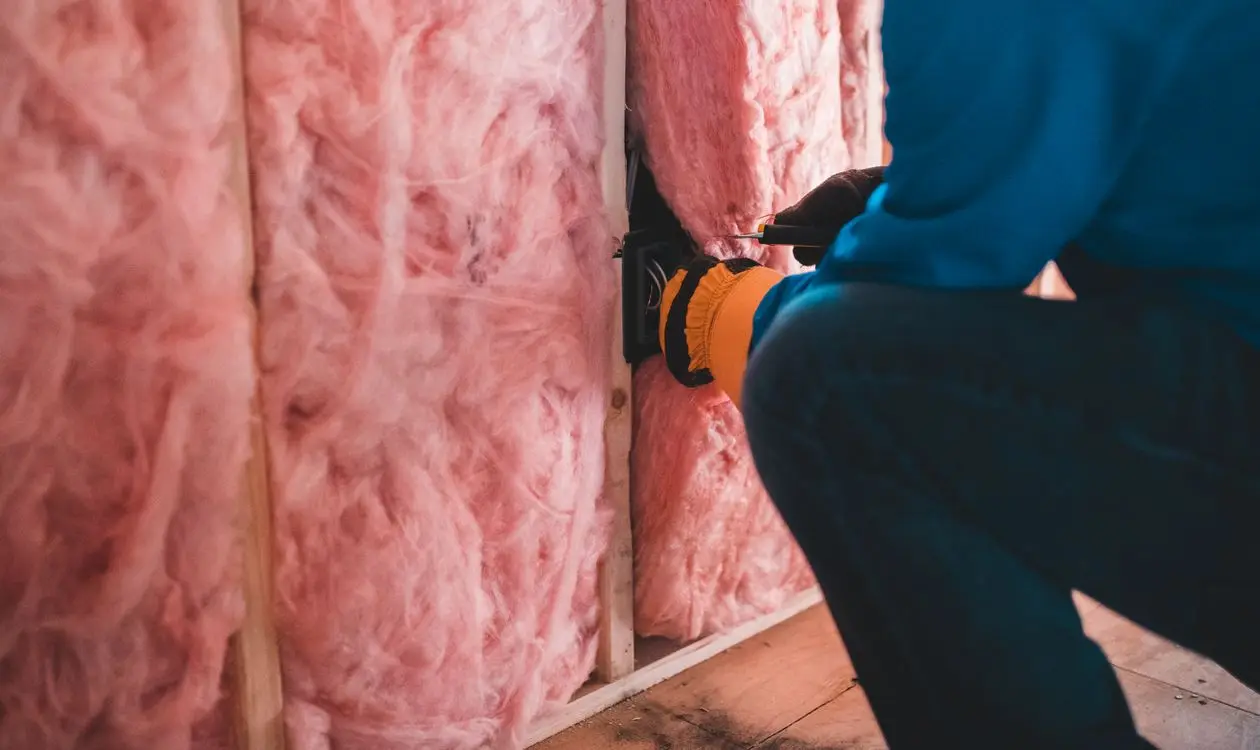
R-value vs U-value vs lambda explained for exporters: what each number measures, the metric-imperial trap, and how to quote insulation specs buyers trust.

Appliance cutout dimensions are the opening an appliance needs, not its own size. Eight questions export cabinet catalogs must answer before shipping.

How to communicate product dimensions to buyers: four methods — email spec, technical drawing, plain photo, annotated photo — compared on comprehension and error risk.
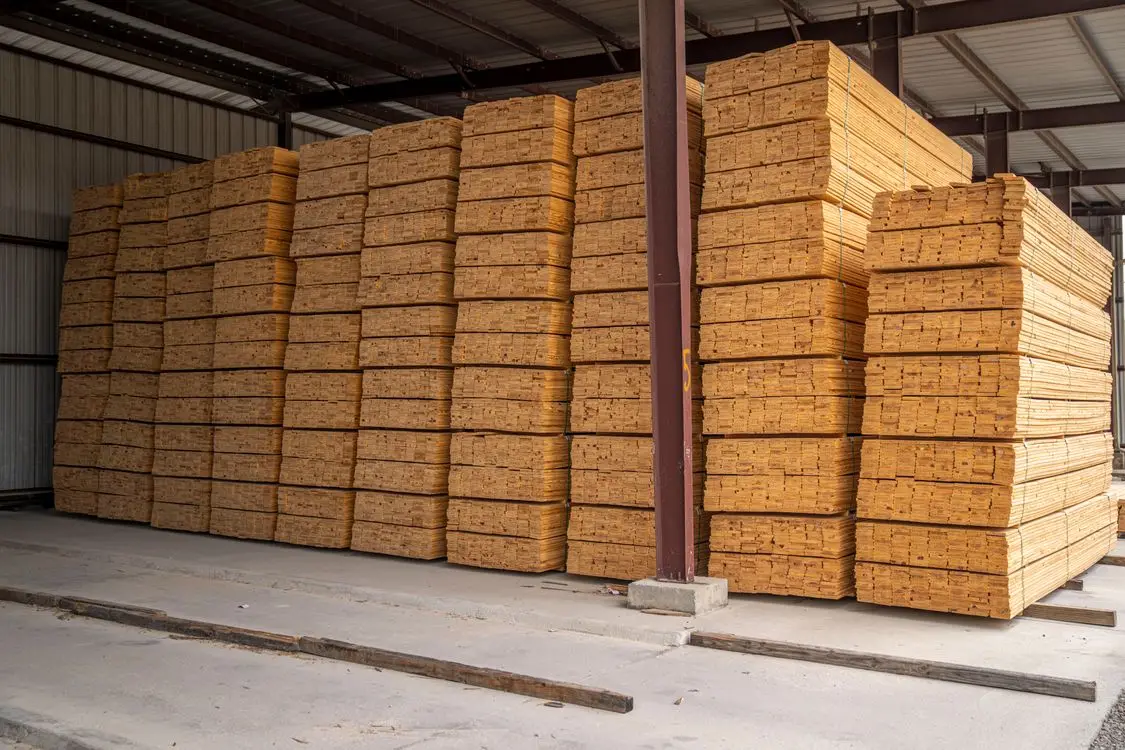
Plywood dimensions and grades confuse export buyers: nominal vs actual thickness, sheet sizes, face and back grades, glue class, and formaldehyde compliance, explained.

Export pallet dimensions set container fit and freight cost — the six ISO 6780 footprints, which pallet to load per market, and how many fit a 20ft or 40ft container.

Flange dimensions for export decide fit: the same OD can hide a different bolt circle. The seven numbers buyers ask for, and the mistakes that ship the wrong part.

A dimension drawing for a product catalog answers the buyer's first question — how big is this and will it fit — before they ever email. Here's what goes on it, field by field.

LED lighting specifications for export buyers: why IP67 is not an upgrade on IP65, what a 3000 K label really allows, and which test report proves what.
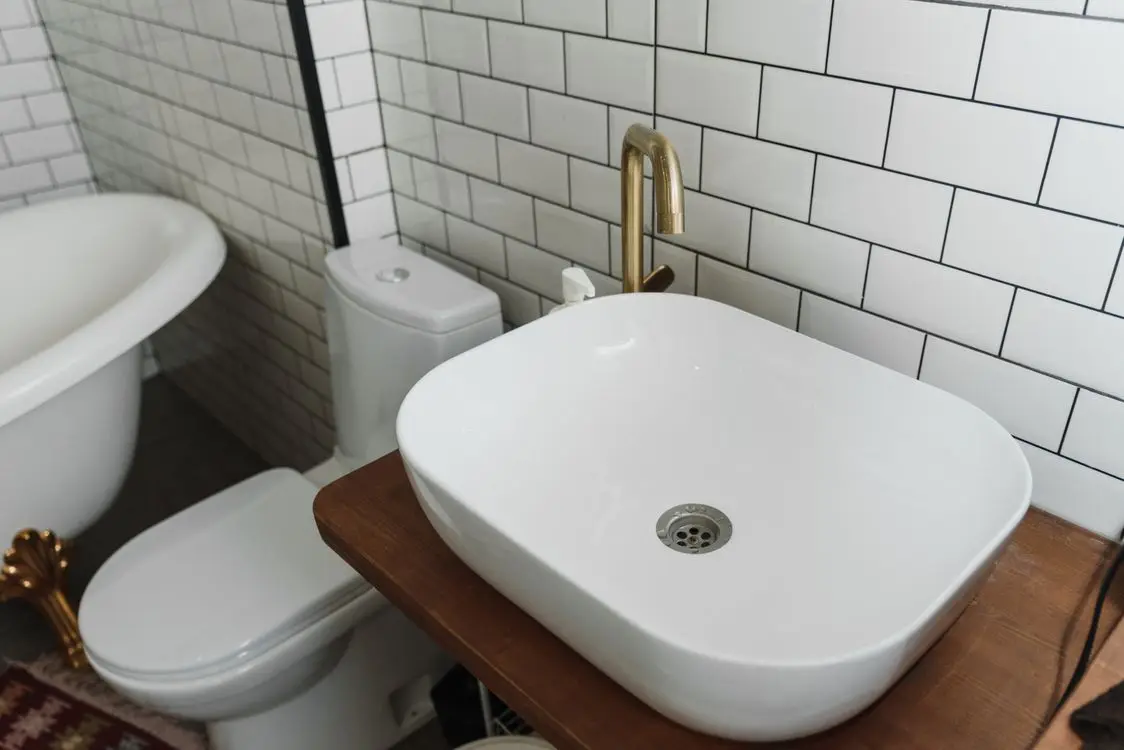
Sanitaryware specifications for export fail on four dimensions: rough-in, trap type, tap hole centres and clearances. Five myths that cost orders.

AWG vs mm² cable specifications are not a unit conversion but two systems. Why 14 AWG and 2.5 mm² differ by 20%, and what belongs on the spec sheet.
Upholstery fabric specifications go wrong on four numbers — weight, width, abrasion and repeat. What each actually means, and what must sit next to it.