


B2B & Suppliers
Appliance Cutout Dimensions Aren’t the Appliance’s Size
Appliance cutout dimensions: why they differ from the appliance's own size, and the eight questions export cabinet catalogs must answer before shipping.
Browse b2b & suppliers articles on SizeMarker Blog
Appliance cutout dimensions: why they differ from the appliance's own size, and the eight questions export cabinet catalogs must answer before shipping.

How to communicate product dimensions to buyers: four methods — email spec, technical drawing, plain photo, annotated photo — compared on comprehension and error risk.
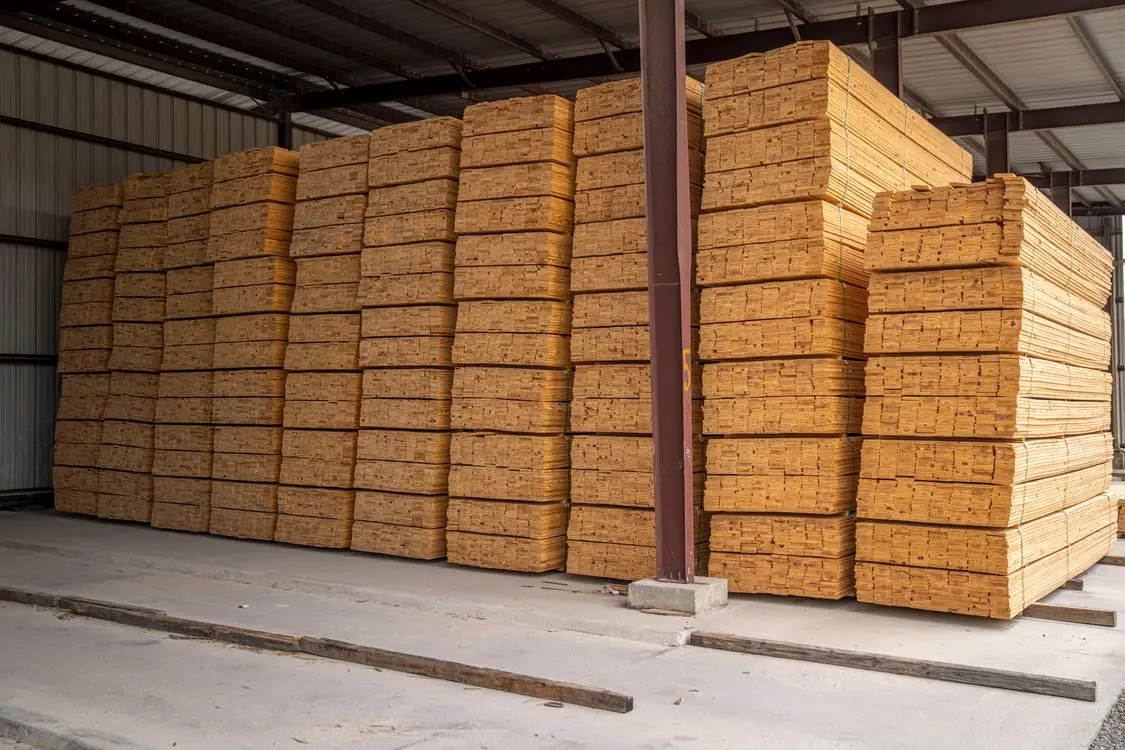
Plywood dimensions and grades confuse export buyers: nominal vs actual thickness, sheet sizes, face and back grades, glue class, and formaldehyde compliance, explained.

Export pallet dimensions set container fit and freight cost — the six ISO 6780 footprints, which pallet to load per market, and how many fit a 20ft or 40ft container.

Flange dimensions for export decide fit: the same OD can hide a different bolt circle. The seven numbers buyers ask for, and the mistakes that ship the wrong part.

A dimension drawing for a product catalog answers the buyer's first question — how big is this and will it fit — before they ever email. Here's what goes on it, field by field.

LED lighting specifications for export buyers: how to read IP and IK ratings, what a 3000 K label really allows, and which test report proves what.

Sanitaryware specifications for export fail on four dimensions: rough-in, trap type, tap hole centres and clearances. Five myths that cost orders.

AWG vs mm² cable specs are two systems, not a unit conversion. Why the nearest sizes never match, and what a complete spec line needs.

Upholstery fabric specifications go wrong on four numbers — weight, width, abrasion and repeat. What each actually means, and what must sit next to it.

Metric vs imperial fastener threads look alike but never interchange. How to read M8x1.25 vs 1/4-20 UNC and send overseas buyers the exact thread spec — scenario by scenario.

Export carton shipping marks aren't one ISO standard — the contract and L/C set them, plus ISO 780 handling symbols and customs origin law. What goes on a master carton, field by field.