
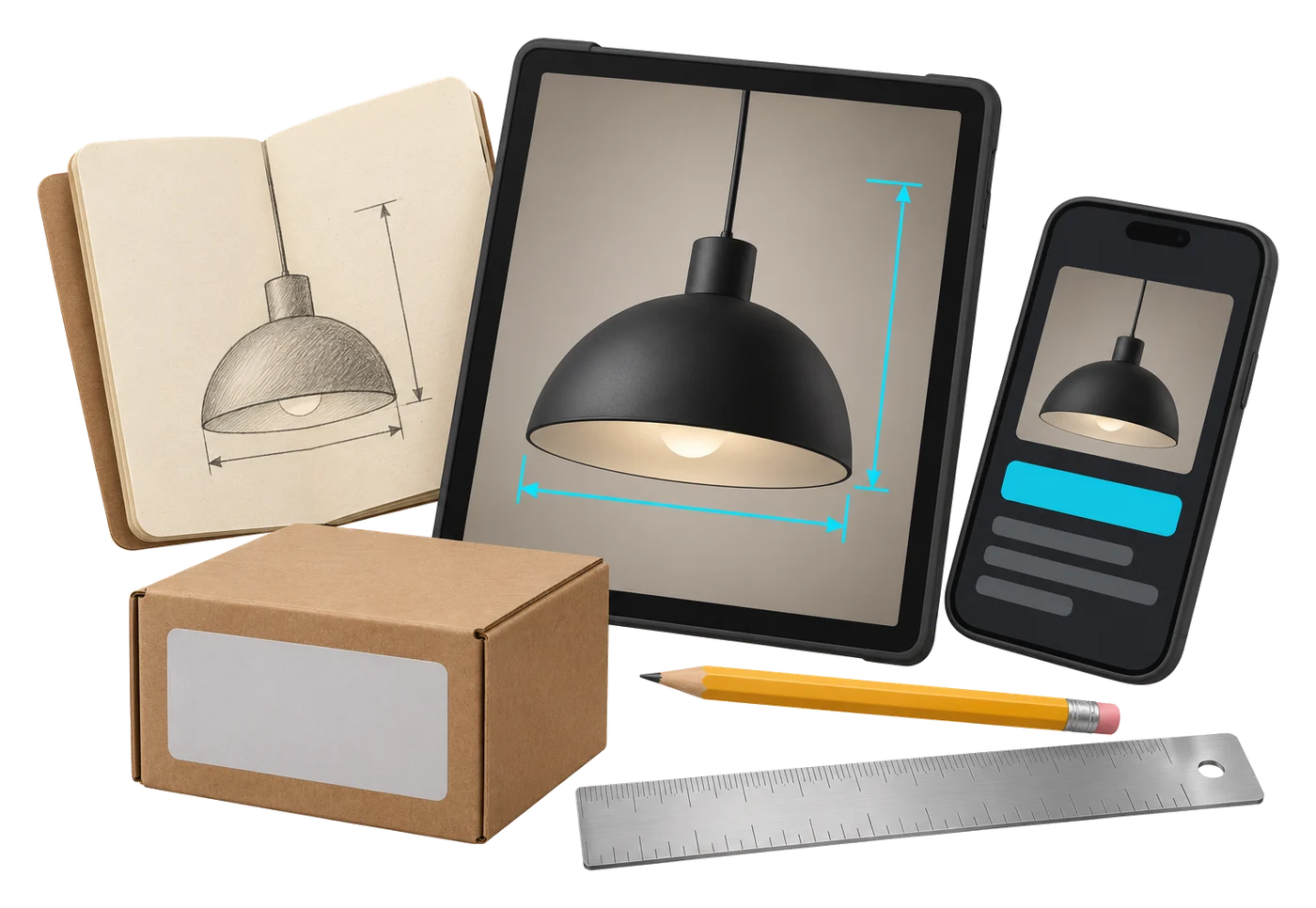

Size & Fit
Installation Clearance Dimensions: 5 Myths That Cost Sales
Installation clearance dimensions decide whether your product fits — not L×W×H. 5 myths busted with NKBA, OSHA and ADA figures, plus a labeling checklist.
Tips and guides for adding size annotations to your product images
Installation clearance dimensions decide whether your product fits — not L×W×H. 5 myths busted with NKBA, OSHA and ADA figures, plus a labeling checklist.
Home Depot product image requirements in 2026: 1,000 x 1,000 px minimum, white #FFFFFF background, .jpg only — plus the category traps that reject SKUs.

Gross weight vs net weight vs volumetric weight: what each means on an export spec sheet, how chargeable weight gets billed, and what mislabeling costs.

Size return rate by category: apparel, footwear, furniture and more — the real ranges, why size drives most returns, and the labeling fixes that cut each.

How to respond to an Alibaba RFQ so your quote wins: what goes in the spec sheet, how clear dimensions shorten back-and-forth, and a scenario playbook.

Faire image requirements for 2026: exact pixel sizes, aspect ratios, and background rules for product, feature, and cover images that pass review.
A wholesale line sheet is what retail buyers order from. What it must include, how it differs from a spec sheet, how to price it and what MOQ and case pack to show.

Temu product image requirements for 2026: pixel sizes, the pure-white main image rule, file limits, and the exact reasons Temu images get rejected.

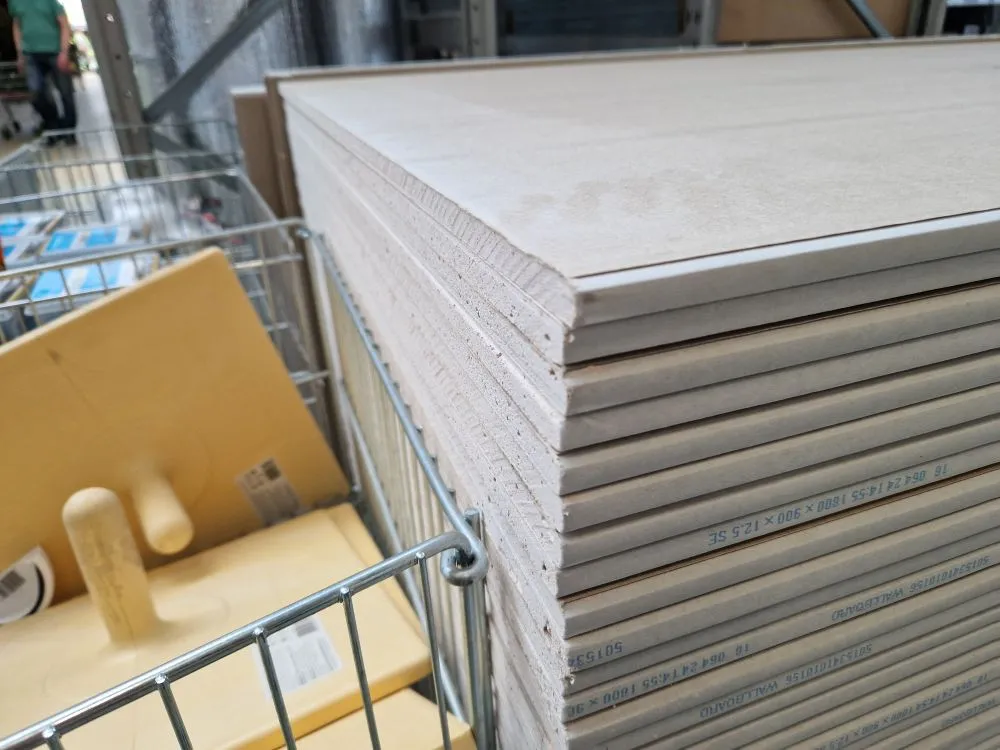
How to label building material dimensions on product images: tile, plywood, lumber, brick and pipe — nominal vs actual size, standards, and tolerances.

Will furniture fit through the door? Only if you publish delivery-access dimensions. Map every access path and label the product image before buyers order.

Nominal vs actual dimensions: why the size in a product's name isn't the size you ship. Lumber, plywood, pipe and brick tables, and which figure a listing needs.

How to label weight capacity on product images so B2B buyers trust the load rating: static vs dynamic load, safety factors, and where to place the number.